

If you call every sloppy high-calorie weekend a refeed, you’re lying to yourself. I’m not against refeeds or diet breaks. I’m against using smart words to cover up dumb shit.
That’s the whole fight here. Sometimes these tools help. But only when I plan them, track them, and use them for a real reason. So ask yourself one thing before you touch your calories, am I using a tool, or am I looking for an excuse to eat junk?
The Problem
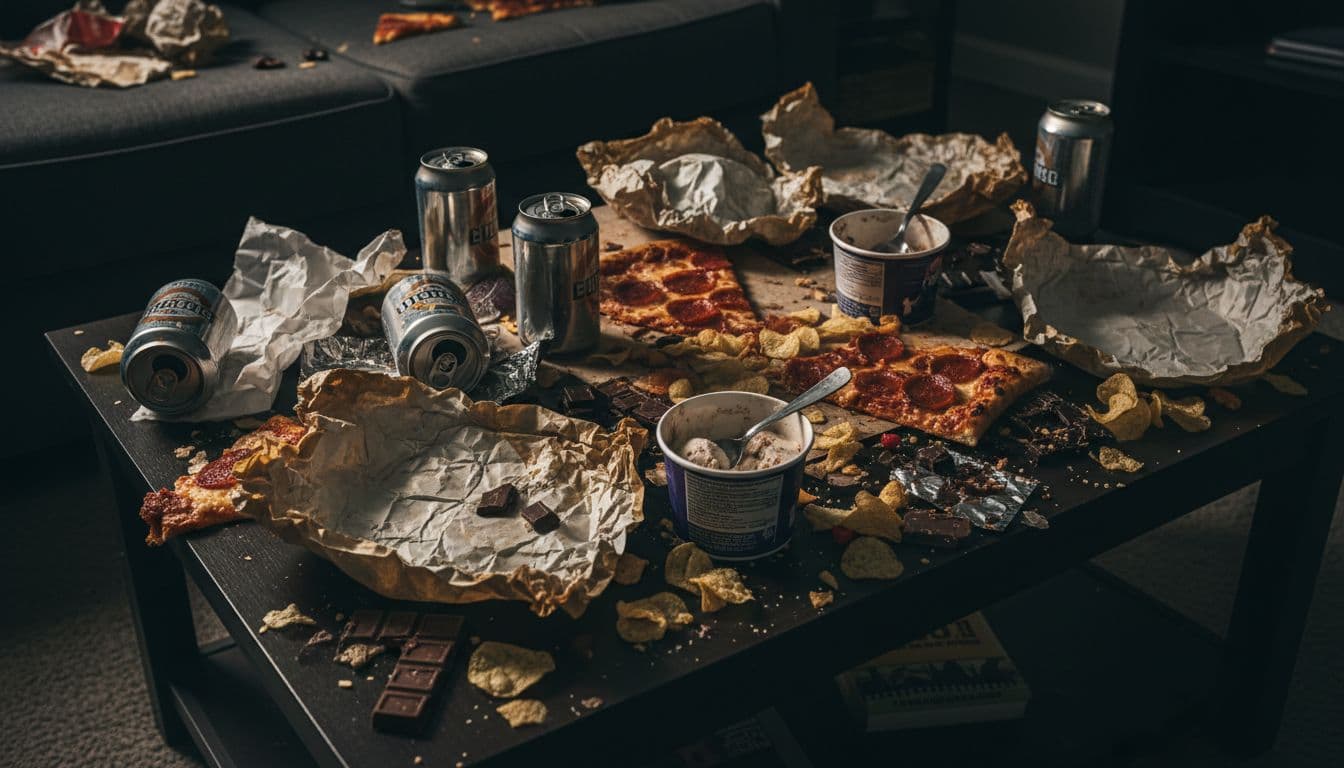
Most guys are not doing refeeds. They’re doing cheat meals, cheat days, or full weekend disasters, then trying to clean it up with science words on Monday. That’s not strategy. That’s panic with better branding.
A real refeed is simple. I bring carbs up. I keep protein steady. I keep fat under control. Calories usually rise to around maintenance, maybe a bit higher in rare cases. The point is fuel, not a free-for-all.
Why junk food weekends kill the weekly deficit
This part is not magic. It’s math.
You can diet hard from Monday to Friday, then wipe out the whole deficit in two loose nights. A few burgers, dessert, drinks, snacks, and some “fuck it” bites add up fast. Then the scale jumps, and you act shocked. That is not a broken metabolism. That is bad counting.
Why the words sound smart, even when the plan is dumb
“Refeed” sounds controlled. “Metabolic reset” sounds even smarter. Saying “I lost discipline and ate like an asshole for two days” sounds worse, so people don’t say that.
If the plan starts with structure and ends with wrappers and beer cans, it was never a refeed.
That matters, because I don’t use these tools as rewards. I use them when the situation earns them.
The Reframe
A refeed and a diet break are not the same thing, and neither one means “eat whatever I want.”
A refeed is short. Usually one day. Sometimes two, but only when someone is lean, flat, depleted, and training hard enough to use the extra fuel. A diet break is longer, usually seven to fourteen days at true current maintenance. Not old maintenance from when you were heavier. Current maintenance.

What a real refeed looks like in practice
I keep it boring on purpose. Rice, potatoes, oats, fruit, cereal, bagels, easy carb foods. Protein stays where it is. Fat stays tight. I place it on the hardest training day, or the day before, because I want the fuel to do something.
This is about glycogen, training output, and getting through the next push cleaner. It is not about “earning” pizza.
When a diet break makes more sense than pushing harder
Sometimes the issue isn’t hunger for one day. It’s full diet fatigue. Training sucks. Mood sucks. Recovery drops. Adherence starts slipping.
That’s where a diet break can help, but only if I keep tracking in place and keep training in place. The tool is not magic. Execution is the whole point.
What I Actually Look At
Before I tell anybody to eat more, I check if the stall is even real. Most of the time, it isn’t. Most of the time, the person is not broken. The tracking is broken. The weekends are broken. The step count is broken.
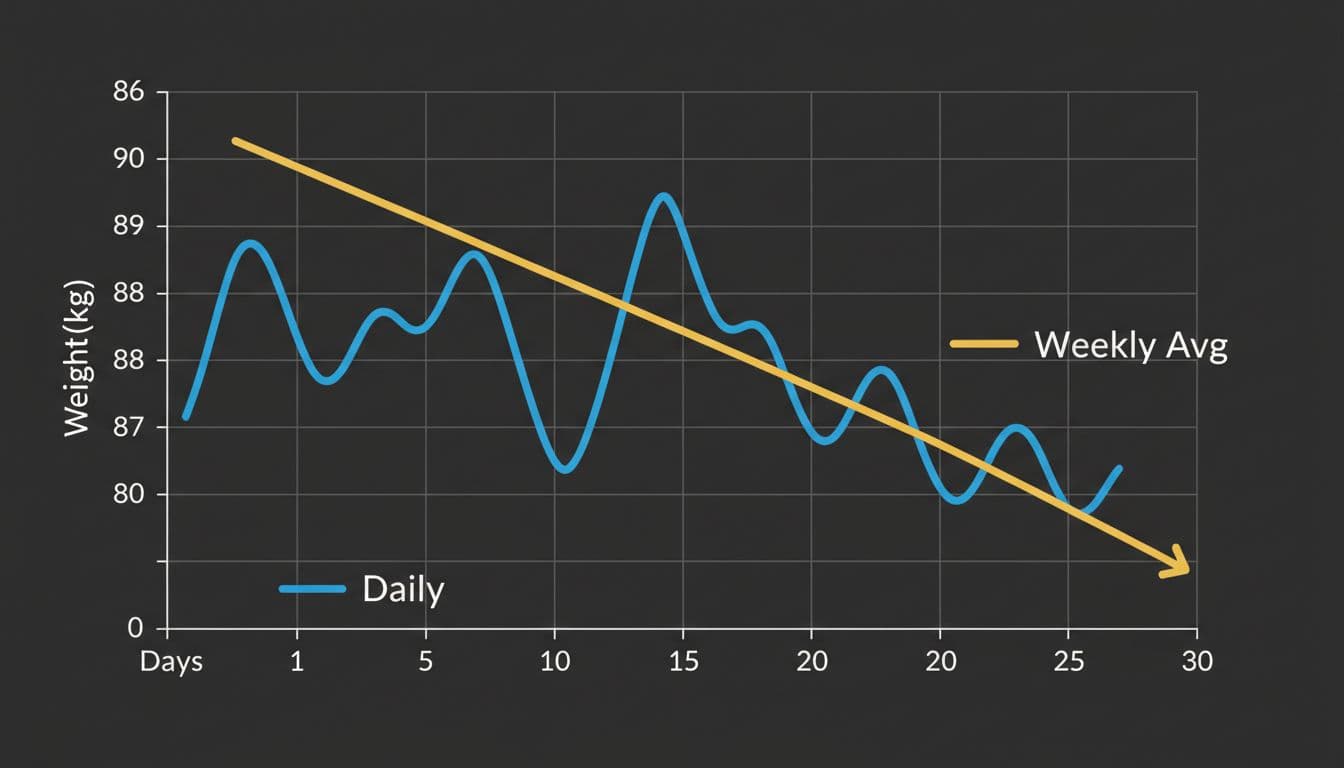
First, I look at bodyweight trends across the week, not one random weigh-in that pissed you off. Daily weight moves for stupid reasons. Water shifts. Sodium shifts. Glycogen shifts. Stress and poor sleep move things too. Digestion can make you look stalled when fat loss is still happening underneath.
How I tell the difference between a real stall and bad tracking
I want daily weigh-ins and a weekly average. That tells me something useful. One flat morning tells me nothing.
Then I check food compliance. Are you still weighing food, or did you get casual because you’ve “done this long enough”? That’s where people bury themselves. They stop weighing peanut butter. They start guessing rice. They eyeball oils. They forget the bites, licks, and snacks. Suddenly the diet that “used to work” doesn’t work anymore.
No, the diet didn’t stop working. Your accuracy did.
After that, I check output. Did your steps fall off compared to a month ago? Are you training with the same effort? Are you moving less because you’re tired and hungry? That’s normal, by the way. But if activity drops while intake creeps up, fat loss slows. Again, not magic. Math.
If you want to see how I make those calls, read the protocol. Structure solves more problems than people want to admit.
Who actually benefits from a refeed and who needs tighter basics
Now I look at the athlete in front of me. How lean is he? How hard is he training? Is he flat and run down, or is he soft, inconsistent, and already eating away the deficit on weekends?
That difference matters. Refeeds help leaner lifters who are depleted and pushing hard. They do not fix sloppy adherence. They do not rescue weak habits. I don’t loosen structure for someone who can’t hold structure in the first place.
That’s the part people hate. They want more flexibility before they’ve earned basic consistency. I’m not doing that. If your basics are shit, I fix the basics first. If the basics are locked in, then I can use a refeed or a diet break like a proper tool.
And if you think that sounds too strict, fine, but strict works. Wishful thinking doesn’t. If you want proof, see client results.
What To Do Instead
If you think you need a refeed right now, slow down and check the basics first.
If adherence is sloppy, fix adherence. If steps dropped, bring them back up. If training effort fell off, fix sleep, routine, and recovery. If bodyweight has only been flat for a few days, stop panicking and keep going.
Only use a refeed or diet break when the basics are tight and there’s a clear reason for it. If you want to keep learning instead of guessing, read more articles.
Refeeds and diet breaks can work, but only when I use them on purpose, with numbers, structure, and a reason. If you want that built around your body, your training, and your life, then work with me.
Feel good, eat good, fuck good.
Disclaimer This article is for education only. It is not medical advice, diagnosis, or treatment. If you have a medical condition, take medication, use PEDs, or have abnormal labs, get qualified medical oversight before applying any of this.
Author Angelo is a European online coach and a former competitive bodybuilder. He works with serious lifters who want more muscle, better condition, sharper execution, and less guesswork. The job is simple: fix the basics, apply progression properly, manage recovery, and stop doing dumb shit that kills progress.


