

Stop blaming weak motivation. That’s lazy thinking.
If your cut keeps falling apart by Thursday, or gets buried on the weekend, the problem usually isn’t your heart. It’s your setup. You built a plan that only works when life is easy, your sleep is good, your meals are perfect, and nobody puts cookies in front of you. That plan is fake. I want a fat loss system that still holds when I’m tired, hungry, pissed off, and busy.
The Problem
Most men treat fat loss like a daily test of character. That’s where the bullshit starts. They build strict plans, make too many food decisions, and then act shocked when the whole thing blows up after a stressful day.

Here’s what happens. Monday-me is organized, caffeinated, and talking big. Thursday-night me is underfed, annoyed, half asleep, and standing in the kitchen like a raccoon with a credit card. Those are not the same man. So if my plan needs me to be sharp and disciplined every damn hour, then my plan sucks.
Then one bad meal happens, and the spiral starts. A burger turns into guilt. Guilt turns into a “fuck it” day. That turns into a weekend write-off. The meal didn’t kill the cut. The drama after it did. Sustainable fat loss is not about being perfect for 12 weeks. It’s about being hard to knock off track.
The Reframe
I stopped making fat loss a motivation problem. I started treating it like a design problem.
That shift changes everything. I don’t chase perfect weeks anymore, because perfect weeks are fantasy. I want a setup that survives messy days. I want something I can repeat when work runs long, sleep is trash, training gets moved, and cravings show up right on schedule.
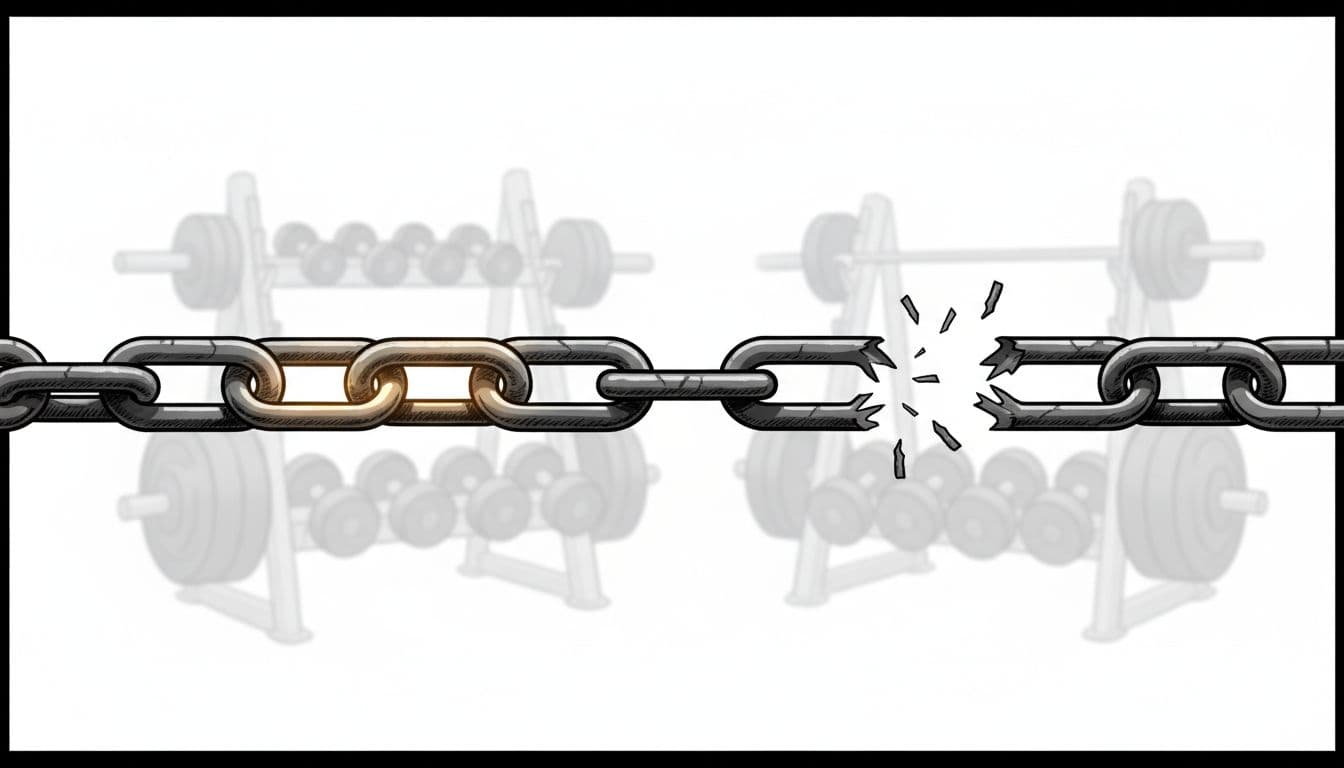
I don’t need hero mode. I need a system that still works when I’m not in the mood.
That means fewer choices, less friction, and better defaults. A slower plan I can hold beats an aggressive one that keeps exploding. Compliance beats fantasy, every time. If I can repeat the behavior while living a normal life, then I’ve got something useful. If not, I’m playing dress-up with macros.
What I Actually Look At
First, I clean up my food environment. I do that before I ask for more discipline. If a food turns into a binge every time, I stop bringing it home. I’m not interested in winning a late-night cage fight against ice cream. I’d rather remove the problem and move on.
So I keep easy protein around that takes no thought. Greek yogurt. Eggs. Cottage cheese. Pre-cooked chicken. Canned fish. Shit that’s quick, plain, and easy to hit when my brain is cooked. That matters, because bad food calls usually happen when energy is low and convenience wins.
Next, I standardize my weekdays. I don’t need a new exciting menu every day like I’m on some food network holiday special. During a cut, boring works. I rotate the same five to seven meals because I already know the calories, the protein, and how they make me feel. That cuts stress. It also cuts random snacking, fake hunger, and stupid little extras that pile up.
If you want the fuller structure, read the protocol. The point is simple, I make the good choice easier than the bad one.
Then I pre-plan the problem moments, because they are never a surprise. Men love acting shocked by the same crap every week. Work runs late. Training gets missed. Dinner out happens. Cravings hit after dark. None of this is new. So I write the answer before the problem shows up.
If work runs over, I eat the protein snack I keep at my desk. If I miss my training slot, I do a shorter backup session that night. If I’m eating out, I start with lean protein and vegetables, then build from there. If the post-dinner kitchen raid starts calling my name, I brush my teeth, grab a zero-calorie drink, and walk for ten minutes. Is it sexy? No. Does it work? Yep.

After that, I track the right stuff without acting like a lunatic. Daily bodyweight is useful, but only if I read it like an adult. I do not treat every weigh-in like a courtroom verdict. Sodium, poor sleep, stress, hydration, and digestion can all push the scale around fast. So I watch the weekly average and the short trend, not one random spike.
I also keep a few anchors in place. Protein gets hit daily. Steps get handled daily. For a lot of lifters in a cut, 8,000 to 10,000 steps is a solid floor. Not magic, just useful. Those numbers help me catch drift early. One rough week is easy to fix. One rough month turns into confusion, excuses, and wasted time.
And when I slip, I recover fast. No punishment cardio. No starvation day. No waiting for Monday like some clown. I go straight back to the next normal meal. That one move saves more cuts than any supplement stack ever will. If you want proof that simple systems stack up, see client results.
What To Do Instead
This week, keep it simple.
- Remove the foods that keep wrecking your nights.
- Stock easy protein so low-energy you still has a decent option.
- Repeat your weekday meals until they feel automatic.
- Write backup plans for the moments that always knock you off.
- Judge progress by weekly trends, not daily mood swings.
That’s it. No dramatic reset. No harder grind. If you want help tightening your setup or sorting your mess, contact me.
Structure beats hype, every single time. Stop turning fat loss into a personality test. Remove stupid choices, make the good choice easy, and let consistency do the heavy lifting. If you want that built properly, work with me.
Feel good, eat good, fuck good.
Disclaimer
This article is for education only. It is not medical advice, diagnosis, or treatment. If you have a medical condition, take medication, use PEDs, or have abnormal labs, get qualified medical oversight before applying any of this.
Author
Angelo is a European online coach and a former competitive bodybuilder. He works with serious lifters who want more muscle, better condition, sharper execution, and less guesswork. The job is simple: fix the basics, apply progression properly, manage recovery, and stop doing dumb shit that kills progress.


