
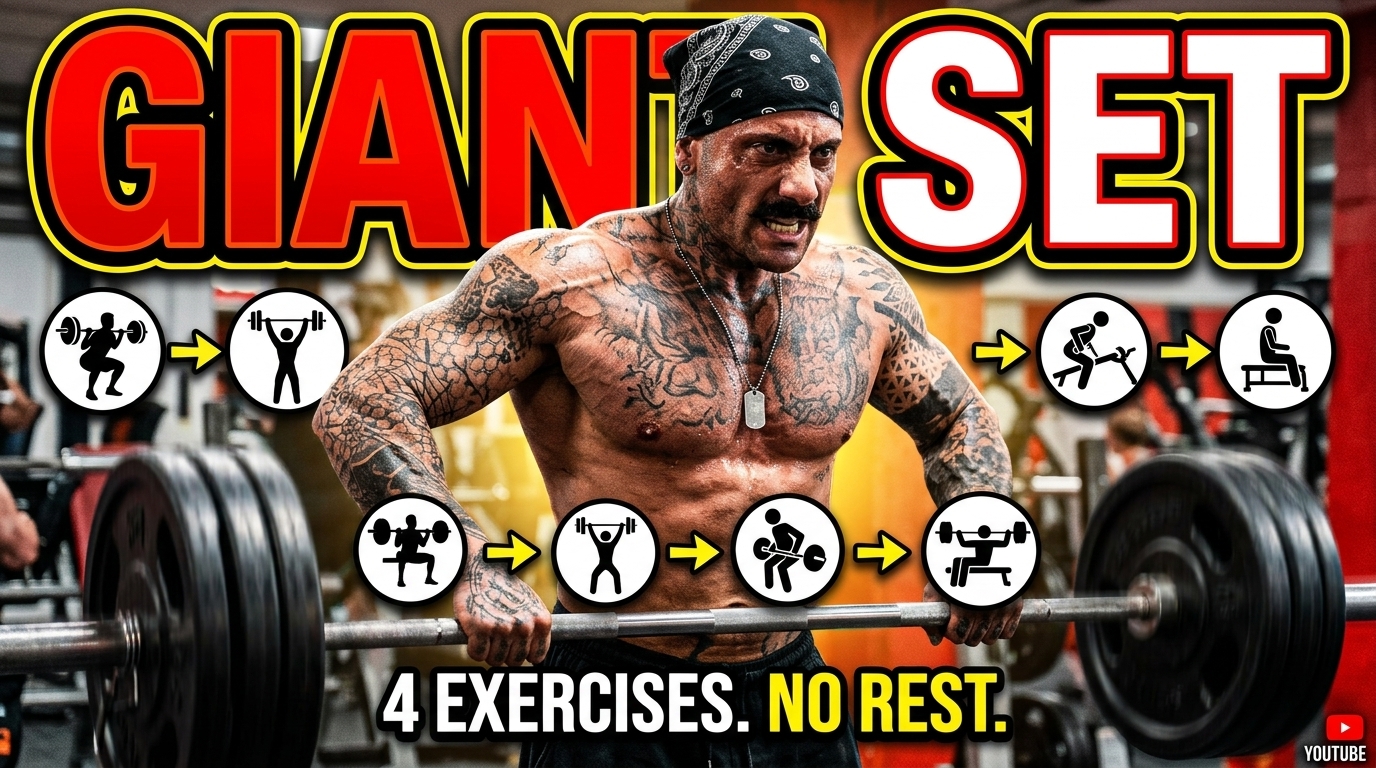
You keep lying to yourself about your sets.
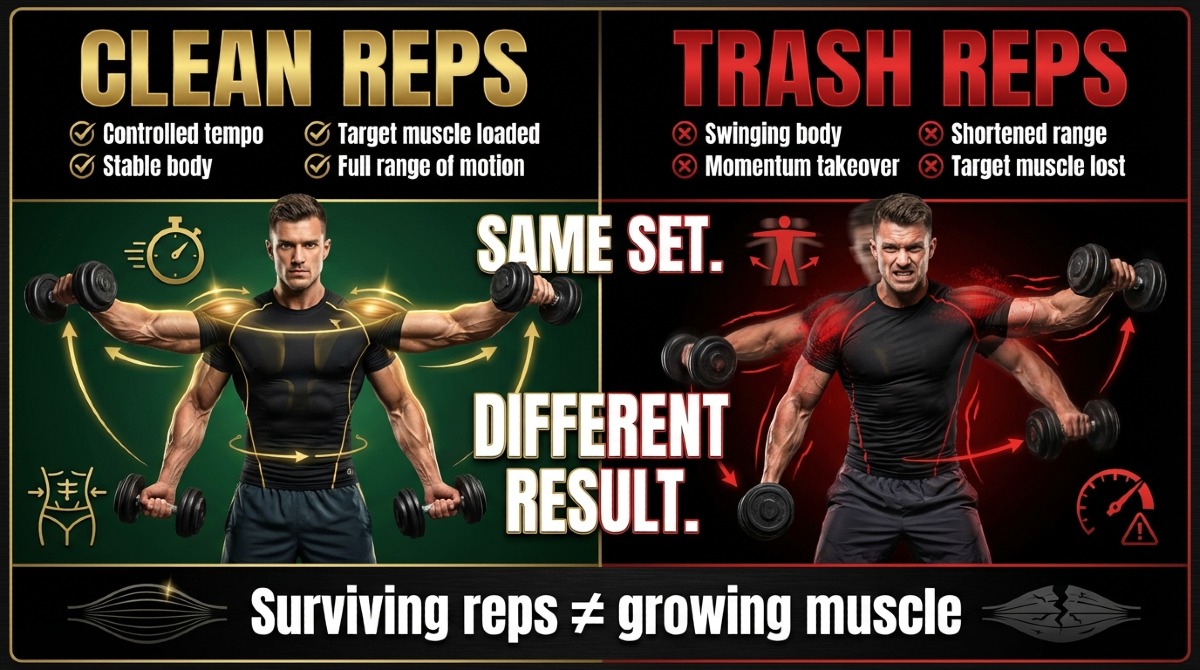
You chase one more rep, then the rep turns into garbage, your body starts swinging, the target muscle checks out, and you still write the number down like it meant something. No, it didn’t. You survived it. That’s not the same as growing.
I don’t use giant sets for hypertrophy to look hardcore. I use them when straight sets turn into bullshit and I need the work to stay honest.
The Problem
Straight sets are not the problem. The way most people do them is the problem.
A lot of lifters don’t chase clean reps, they chase the logbook. That’s where the mess starts. Pulldowns become spinal seizures. Cable rows turn into rowing the whole damn machine. Lateral raises become upright shrugs with dumbbells. Leg press turns into half reps because the burn gets ugly. On paper, the set looks great. In the muscle that was supposed to work, not so much.
 ### Photo by UploadedWhy one more rep becomes fake progress
Say you got 13 reps last week. Now you want 14 so badly that you’ll do anything for it. You cut the range. You speed up. You twist. You bounce. You let some other muscle steal the job. Then you call that progressive overload.
It’s not overload. It’s worse execution.
Why burn-heavy lifts make people quit too early
There’s another kind of bullshit too. Some lifts don’t fail because they’re heavy. They fail because they hurt. Lateral raises are a classic one. Leg press too. Guys quit because the burn climbs fast, then they call that volume.
No. That was quitting when the real work started.
The Reframe
I don’t worship one hero set. I care about the honest total.
When I say giant sets here, I’m not talking about four different exercises back to back like an old-school bodybuilding circuit. I’m talking about one movement, one total rep target, done through clean mini-sets with short rests. So yeah, it looks a lot like cluster-style rep accumulation, and that’s fine. The point is not the label. The point is clean work.
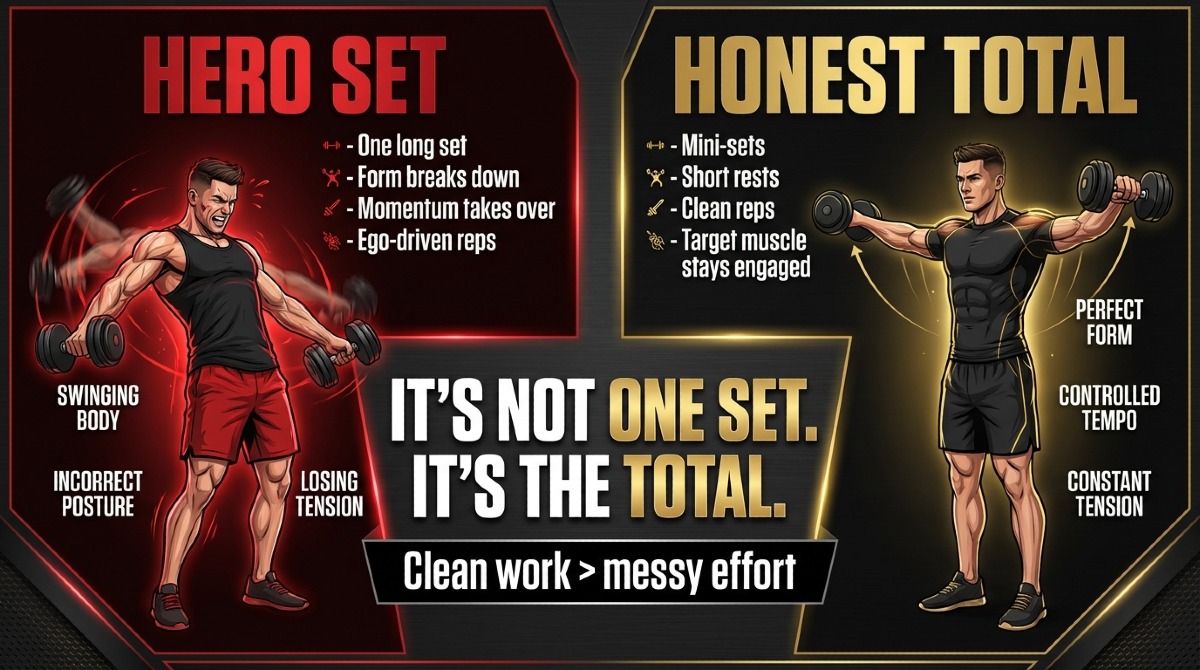 Photo by UploadedRecent research on advanced set methods backs the boring truth. They are not magic for muscle when total work is equal. Rest-pause might have a small edge. Cluster sets often match growth and manage fatigue well. Giant sets themselves are not studied much. Fine. I still use them because smaller chunks often keep form tighter, tension cleaner, and effort more honest.
If the method helps you do more clean work, it’s useful. If it only helps you suffer harder, I don’t care.
What I Actually Look At
I use giant sets in a few specific situations. I do not throw them all over a program like confetti.
I use them when one lift always becomes a form circus
Pulldowns are a big one. Cable rows too. A lot of machine back work goes to shit fast when people start chasing one big set number. The chest comes off the pad, the lower back takes over, and momentum does half the job.
So I change the goal. I stop chasing one glory set and I build an honest total instead. Mini-sets calm people down because they don’t have to force one more ugly rep to feel like they progressed.
I use them when the movement burns so much people keep bailing
Lateral raises are perfect here. Leg press too. Those lifts can make people fold early, not because the target muscle is done, but because discomfort gets loud.
Giant sets expose that habit. If you sandbag early, good, now you owe more reps later. The work still has to get paid. That makes the session more honest, because quitting one mini-set doesn’t magically erase the reps.
I use them when load jumps are too big
Sometimes the next dumbbell is too much. Sometimes the next plate on the stack ruins the groove. Lateral raises are the easiest example. Going from 10 kilos to 12.5 can turn a clean set into dog shit.
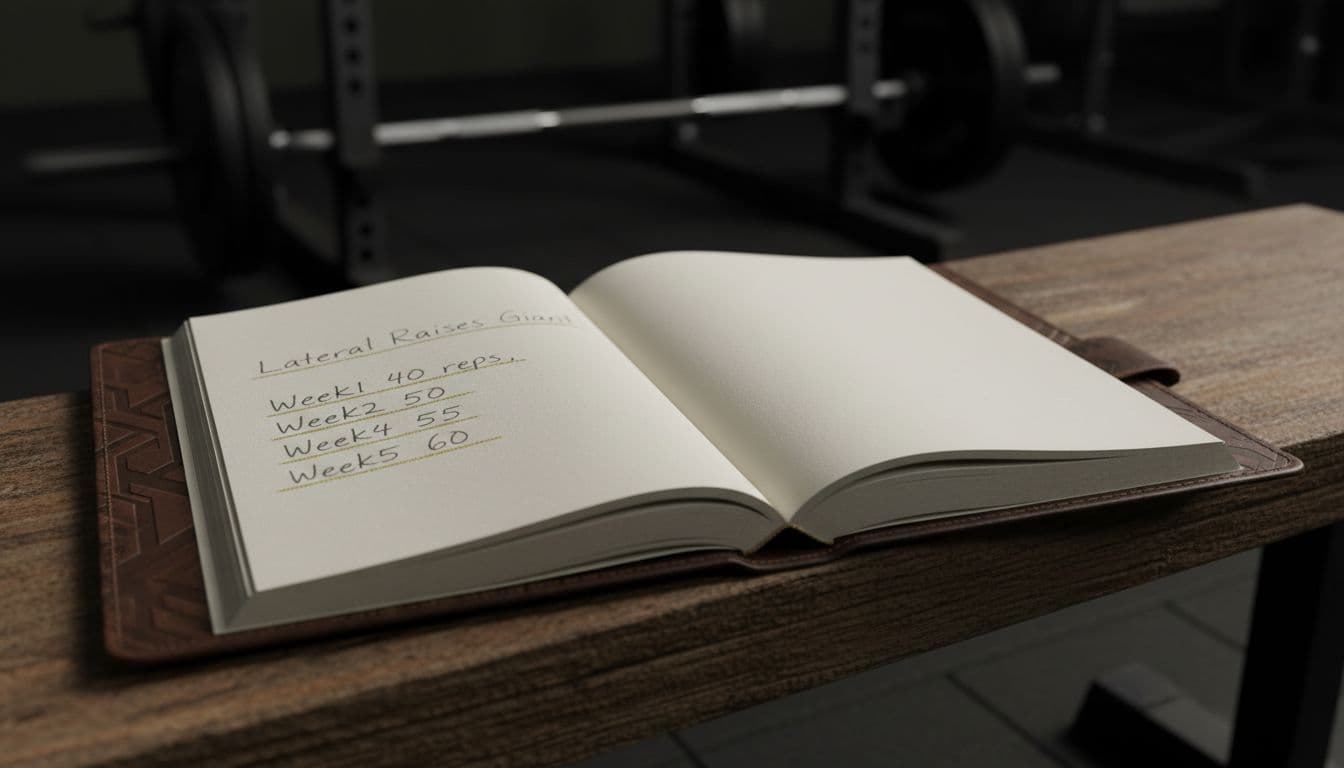
So I keep the same load and build the total.
Week 1, 40 reps.
Week 2, 45.
Week 3, 50.
Week 4, 55.
Week 5, 60.
Then I deload and see if the heavier load makes sense now. That’s clean progression. No fake PRs. No body English nonsense.
 ### I do not use them on everything
Here’s the catch. Giant sets can hide fatigue like a sneaky bastard.
With straight sets, recovery problems are easy to spot. Reps drop. Output drops. You feel flat and the warning is obvious. With giant sets, you can still drag yourself to the total rep goal even when recovery is already sliding downhill.
That’s why I keep at least one tracked straight-set movement for each muscle group. That’s my checkpoint. If that benchmark drops, I don’t care if you finished the giant set. You’re cooked.
What To Do Instead
If your training keeps turning into sloppy rep chasing, don’t rewrite the whole program. Fix one exercise.
Pick the lift that always turns into crap. Set one honest total, usually 40 to 60 reps. Stop each mini-set the second form slips. Rest enough to do the next one clean. Then track that total for a few weeks before touching the load.
If your straight sets are already clean and progressing, leave them alone. Don’t fix what isn’t broken.
Giant sets are a tool. That’s it. I use them to solve a real problem, not to make training look hard for Instagram. If you want me to clean up your setup and take the guesswork out of it, work with me.
Feel good, eat good, fuck good.
Disclaimer
This article is for education only. It is not medical advice, diagnosis, or treatment. If you have a medical condition, take medication, use PEDs, or have abnormal labs, get qualified medical oversight before applying any of this.
Author
Angelo is a European online coach and a former competitive bodybuilder. He works with serious lifters who want more muscle, better condition, sharper execution, and less guesswork. The job is simple: fix the basics, apply progression properly, manage recovery, and stop doing dumb shit that kills progress.
Scientific References
- Advanced resistance training methods meta-analysis: PubMed