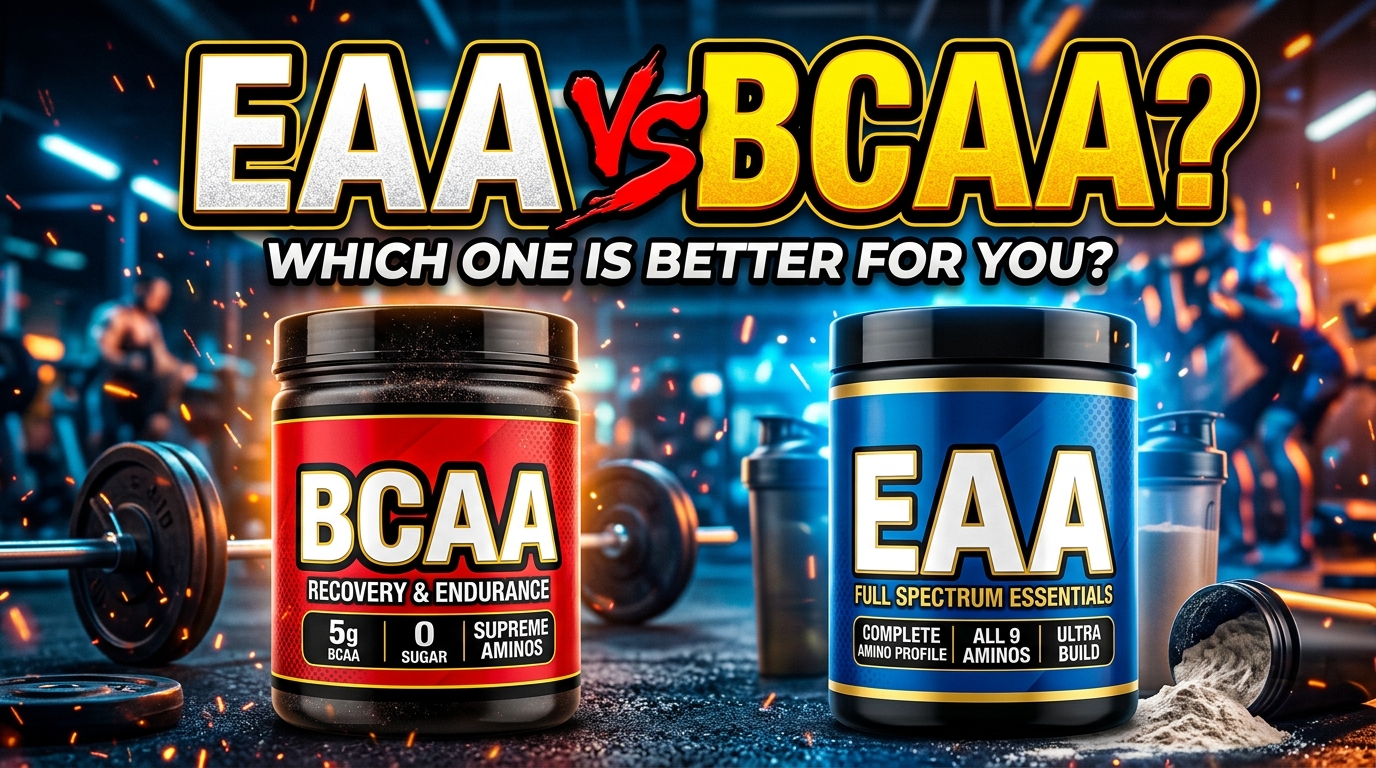
If you’re still buying BCAAs for muscle growth, you’re buying half a fix and calling it smart. I see this crap all the time. Guys want more muscle, sip a neon drink, and act like the shaker cup did something special.
Here’s the truth. BCAAs can help send the signal to build, mostly through leucine. But EAAs bring the full set of raw material. So if you care about real growth, not supplement cosplay, this matters.
The Problem
BCAAs give you three essential amino acids, leucine, isoleucine, and valine. Muscle growth needs all nine. That’s the issue. Not hype, not opinion, not gym bro drama. Biology.
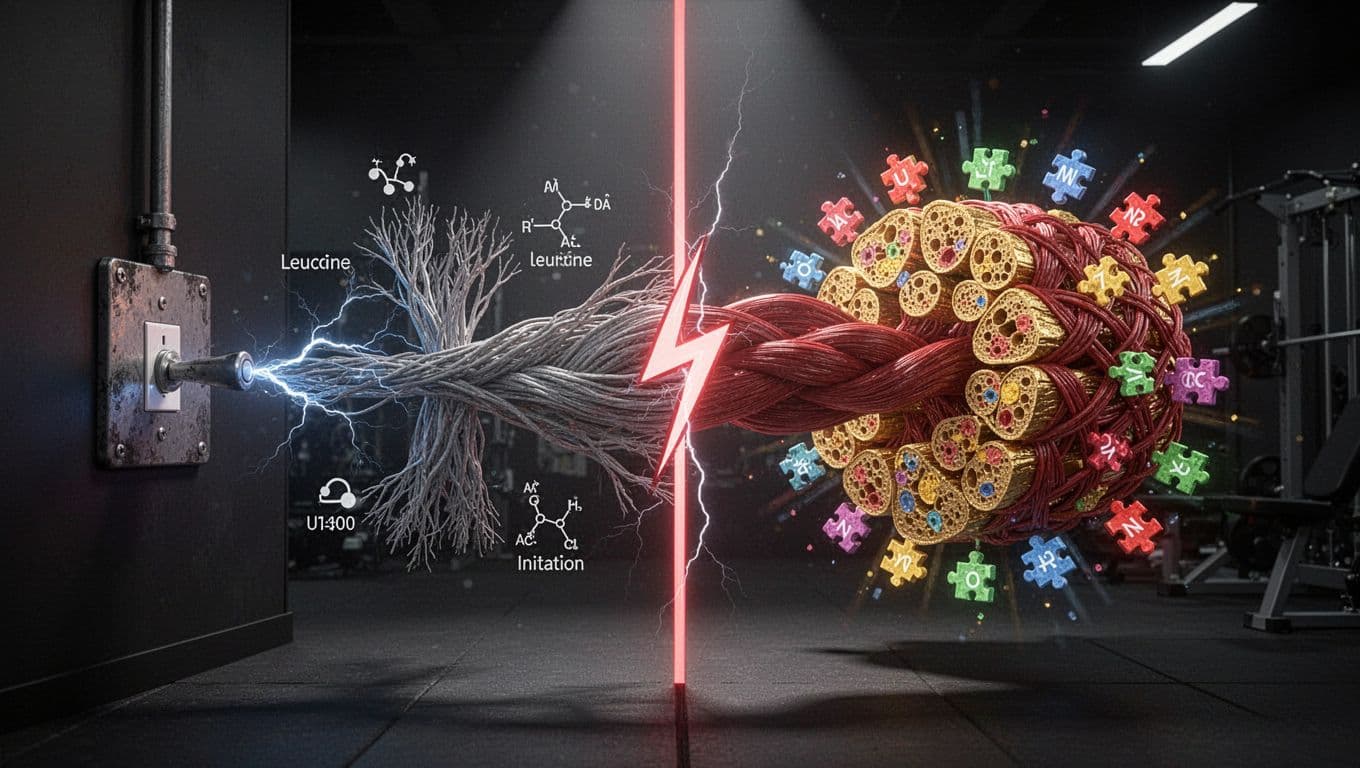
Leucine can turn the process on. Fine. But if the other six amino acids are missing, your body can’t keep building at the same level. It’s like texting a crew, “Start the job,” then showing up with only three bricks. Good luck building a house with that bullshit.
 ### Leucine flips the switch, but it does not build the whole house
I want this simple enough that nobody can hide behind confusion. Leucine is the switch. It helps turn muscle protein synthesis on. Cool. That is not the same as finishing the build.
Your body still needs the rest of the essential amino acids to make new tissue. No bricks, no house. No full amino profile, no best-case muscle building.
Why BCAAs often end up as expensive flavored gym water
If I’m already eating enough complete protein, extra BCAAs usually don’t move the needle much. If I’m not eating enough protein, BCAAs still don’t solve the problem. They’re missing too much.
That’s why I treat BCAAs as a drink first, not a serious growth tool. For hydration and taste, fine. For muscle, weak. Even broader evidence on amino support and training keeps leaning toward the more complete option, not the sexy three amino acids with better marketing, as you can see in this recent review of amino acid-based supplementation.
The Reframe
I look at it like this. BCAAs are the message. EAAs are the full package.
EAAs give all nine essential amino acids your body cannot make on its own. That means they don’t only say, “Start building.” They also bring the stuff needed to keep the job moving. That’s why EAAs make more sense around training, especially if I trained fasted or my meals are too far apart.
 ### Photo by AI GeneratedWhat EAAs actually do better than BCAAs
EAAs support muscle protein synthesis better because they cover the full requirement. They also do a better job helping net protein balance and limiting breakdown than BCAAs alone. That’s the part people skip, because “leucine” sounds cooler on a label than “complete amino profile.”
Recent human data has pointed the same way, and this evidence explainer on BCAAs vs EAAs lays it out in plain English. EAAs aren’t magic powder. They just make more sense.
Why whole food protein still matters more than either powder
Now calm down before you turn this into another supplement religion. If my daily protein sucks, EAAs won’t save me. Whole food and enough complete protein across the day still run the show.
Supplements are small tools. Food is the foundation. Always.
What I Actually Look At
This is the part that matters, because theory is cute until real life punches it in the mouth.
Daily protein comes first, because the basics decide most of the result
I always check total daily protein first. Always. If a guy isn’t eating enough complete protein, I don’t care what shiny tub he bought. Fix the meals.
For most serious lifters trying to grow, or hold muscle while getting leaner, I like around 2 grams per kilo of body weight from solid protein sources as a strong baseline. Not because it’s sexy, but because it covers the day well. Chicken, beef, eggs, dairy, whey, fish, whatever fits the plan. Hit that first.
If you want to see how I set that up in coaching, read the protocol.
Meal timing changes how useful EAAs can be
If I had a real meal with complete protein one to two hours before training, and I eat again within about two hours after, then amino supplements matter less. Not zero, less. Food already did most of the work.
If I train fasted, or my pre-workout meal was weak, or my schedule is a mess and food is far away, then EAAs make a lot more sense. That’s where they shine. They fill a real gap.
Don’t use supplements to avoid eating like an adult.
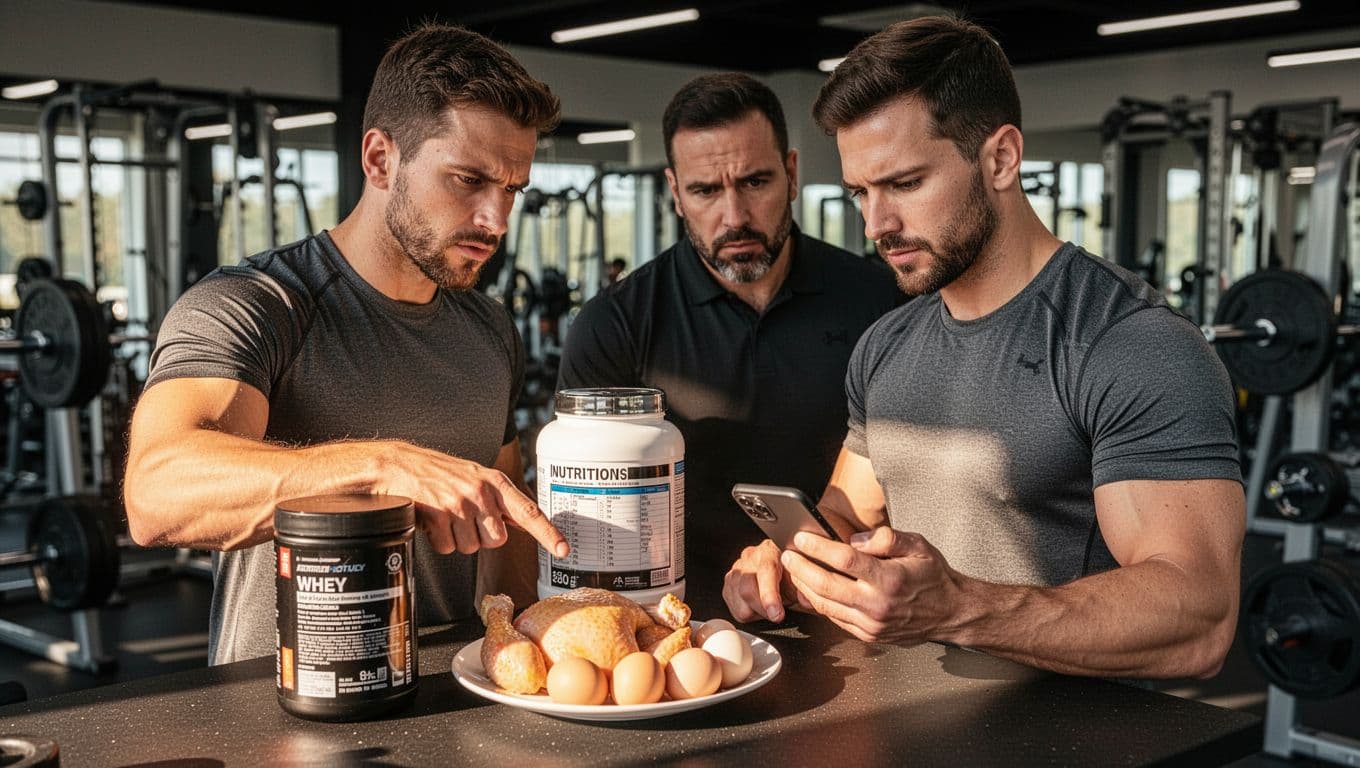 ### Training fuel matters, and this is where carbs enter the picture
This is where a lot of people get stupid. They obsess over amino acids and forget that hard training needs fuel.
During longer or harder sessions, I like EAAs with carbs more than BCAAs alone. Why? Because performance matters. Glycogen matters. The whole session usually runs better when the body has something to work with. I don’t need fairy dust. I need something practical that helps me train hard, recover, and keep output high.
My usual setup is simple, about 10 to 15 grams of EAAs during training if meals are weak or timing is bad. Then I pair that with carbs when the session is long, brutal, or performance-heavy. No drama.
I also look at budget and convenience. If a guy already nails food, sleeps well, and has meal timing handled, I would rather have him spend money on better groceries than amino powder. That’s real coaching, not supplement porn.
What To Do Instead
If my food is on point and my meals around training are solid, I may skip both EAAs and BCAAs completely. I don’t buy shit I don’t need.
If I train fasted, or my meals are weak or far apart, I pick EAAs. Simple. They cover the full requirement and make more sense for muscle support. If I only want a flavored drink to help me sip water during training, BCAAs are fine. I just stop pretending they’re some elite growth weapon.
EAAs beat BCAAs for muscle growth support because they cover the whole job, not half of it. But if your diet is trash, neither one will save you. If you want me to clean this up with you and build a plan that fits your training, meals, and goal, work with me, or see client results.
Feel good, eat good, fuck good.
Disclaimer
This article is for education only. It is not medical advice, diagnosis, or treatment. If you have a medical condition, take medication, use PEDs, or have abnormal labs, get qualified medical oversight before applying any of this.
Author
Angelo is a European online coach and a former competitive bodybuilder. He works with serious lifters who want more muscle, better condition, sharper execution, and less guesswork. The job is simple: fix the basics, apply progression properly, manage recovery, and stop doing dumb shit that kills progress.