You saw the scale jump five pounds and started acting like you built new muscle overnight. Calm down. Sudden weight gain like that is rarely lean tissue. Water retention on cycle is common, but I don’t brush it off, because puffiness usually means hormonal fluctuations, estrogen, sodium, carbs, dose, or blood pressure.
I’ve seen this shit a lot, and the mistake is always the same, guys treat water like a free size increase instead of a signal. Sometimes it’s cosmetic, sure, but sometimes it’s the first hint that your cycle, your food, or your health markers are getting sloppy. I’ll show you what it usually means, what I look at first, and when it stops being about looks and starts being a problem.
Key Takeaways
- Water retention on cycle is usually a signal of high estrogen from aromatizing compounds like test or Dbol, sloppy diet (high carbs/sodium, low water), or both—not overnight muscle gains; ignore it at your peril if paired with nipple sensitivity, mood swings, or rising blood pressure.
- Distinguish good intramuscular fullness (sharper look, stable waist) from bad puffiness (moon face, tight rings, ankle swelling, blurred abs)—the mirror and trends tell the real story, not one scale jump.
- Check your cycle/dose, morning weight/waist consistency, BP, and symptoms first; fix basics like steady sodium, high water, no junk binges, and walks before slamming AIs or diuretics.
- If swelling persists with high BP, shortness of breath, headaches, or chest issues, stop guessing—get medical oversight, because cosmetic bloat can turn into real cardiovascular strain.
Why water retention happens on cycle in the first place
Stop lying to yourself, that soft, puffy look usually does not mean I suddenly grew slabs of muscle overnight. A lot of the time, I am just holding extra water, and that water is there for a reason. When I see it happen on cycle, I do not panic, but I also do not shrug and call it normal bro shit.
I look at the obvious drivers first. Hormones are one part of it, especially estrogen. Diet is the other big one, and guys mess that up all the time. If I want to figure out why I look smooth, I need to separate drug effect from food effect, because those two love to team up and make me look worse than I really am.
High estrogen is the first thing most guys should think about
This is the first place my brain goes, because it is common and it makes sense. Testosterone, Dianabol, and other “wet” compounds can aromatize, which means some of that androgen activity gets converted into estrogen. When estrogen climbs too high, the body tends to hold more sodium and more water. Then I wake up looking rounder, my face gets puffier, and the scale starts jumping faster than the actual tissue gain should. That leads to fluid retention, and that part matters, because water follows sodium. If my body is hanging on to more sodium, I am going to look smoother, feel tighter under the skin, and sometimes notice rings, socks, or even my watch fitting differently. It can also push blood pressure up, which is where this stops being just a mirror problem.
Still, I do not act like every bit of water retention proves estrogen is sky high. That is lazy. A few pounds up, a little fullness, or a softer waist after a hard training block does not automatically mean I need to start smashing an AI. Water retention is a clue, not a verdict.
What makes me take the estrogen angle more seriously is when the watery look shows up with other signs, such as:
- nipple sensitivity or itchy nipples
- mood swings, irritability, or weird emotional swings
- a faster rise in blood pressure
- face puffiness that keeps getting worse
- rapid scale gain that does not match food intake
That combo paints a stronger picture. If I am on aromatizing compounds and I look like I got stung by bees in the face, yeah, estrogen is high on my suspect list. The TRT Source breakdown on estrogen-related bloat lines up with what I see in real life too, even if the average guy still wants to blame “bad genetics” or “just a bulk.”
Water retention by itself is not proof of high estrogen, but when it shows up with nipple issues, mood changes, and rising blood pressure, I pay attention fast.
Also, dose matters. The more stupid the dose gets, the less surprised I am when the body pushes back with water. Add multiple wet compounds, sloppy food, and zero monitoring, and now the guy is shocked he looks like a bloated thumb. Come on.
Food choices, including high carbs, sodium intake, and hydration levels, can amplify this estrogen-driven fluid retention into serious bloating. This is where a lot of guys screw themselves and then blame the drugs for all of it. I can have a cycle that is only moderately watery on paper, then turn myself into a moon-faced mess with food choices. That is not always a hormone disaster. Sometimes it is just dog shit execution.
High carbs are the first piece. When I eat more carbs, I refill glycogen in the muscle. That is not bad. In fact, that can make me look fuller and perform better. But glycogen pulls water with it, so when I slam a big refeed, a cheat meal, or a couple of high-carb days, I can hold several extra pounds of water fast. That does not mean fat gain. It also does not mean estrogen is automatically out of control.
Then sodium intake comes in and makes the whole thing louder. Processed food, restaurant meals, sauces, frozen crap, deli meat, chips, fast food, all of that can drive sodium way up. If I pair big carbs with high sodium intake, the watery look gets ugly in a hurry, resulting in bloating across the waist, lower back, and face.
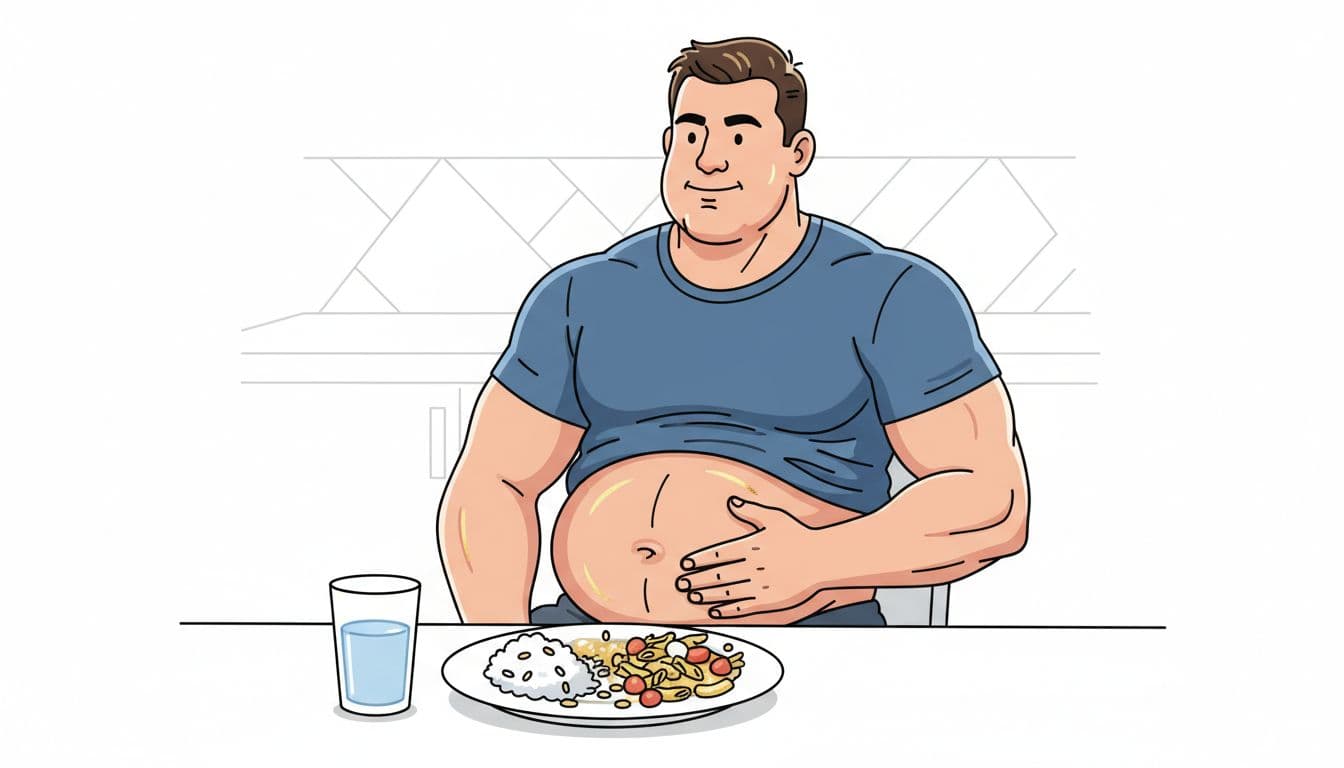
Hydration is the part people get backwards. A guy looks watery, so he drinks less. Bad move. When I do not drink enough water, fluid balance often gets worse, not better. I end up more bloated, not less, because the body hates chaos. Poor hydration can make me hold water while also feeling flat, tired, and crampy. It is a stupid combo, but I see it all the time.
A simple way I think about it is this:
- More carbs can mean more glycogen, and more glycogen means more water stored with it.
- More sodium intake can pull more water into the system and make puffiness worse.
- Less water intake can make my body handle fluid like an asshole.
The realtime summary on steroid-cycle water retention points to the same big buckets I watch in practice, estrogen, sodium balance, carb load, and blood pressure. That matches what I see with clients and with lifters who swear their cycle is the only issue, until I look at the actual meals.
So if I go off plan for two days, crush takeout, stop drinking enough water, and wake up looking soft, I am not going to pretend the compound changed overnight. Sometimes the mirror is just showing me that my diet got sloppy. And that matters, because the fix is completely different. If food caused most of the look, I do not need to overreact with drugs. I need to tighten up the basics and stop doing dumb shit.
The bottom line is simple. Water retention on cycle often starts with estrogen, but diet can pour gasoline on the fire. If I want to know what is really going on, I have to look at both, not just the vial.
## What water retention on cycle usually means, and what it does not mean
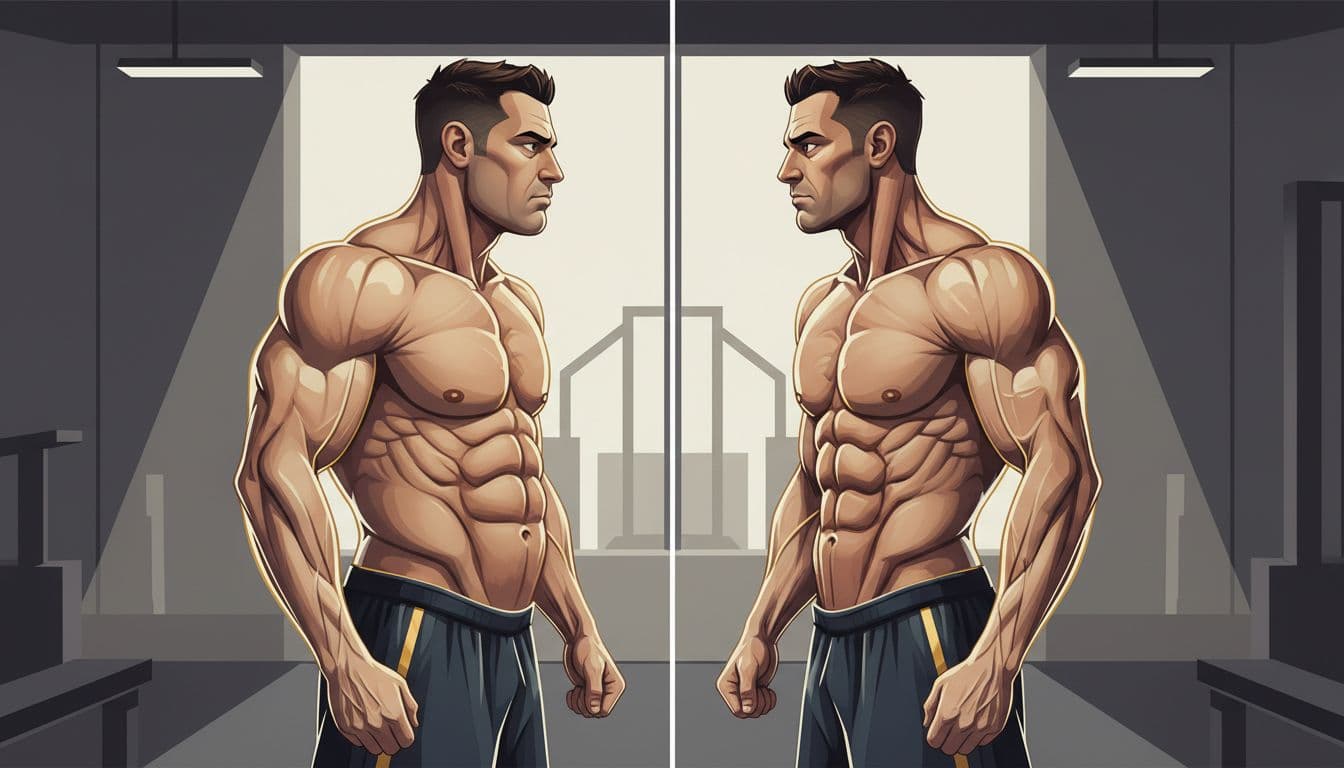
Stop calling every bigger look “growth.” Sometimes I look fuller, harder, and more loaded, and that’s fine. Sometimes I look like I slept in soy sauce and woke up wearing someone else’s face. That is not the same thing.
When I judge water retention on cycle, I want to know where it is, how fast it showed up, and what came with it. A little fullness can be useful. Obvious bloat is a warning. I don’t treat those like the same damn thing.
What the mirror is actually telling you
A normal fuller look usually stays where I want it, in the muscle. My shoulders look rounder, my chest looks denser, my pumps last longer, and my skin still looks fairly tight. The scale might move up a bit from water weight, but the mirror still says “trained and fed,” not “inflated.” That kind of look often comes from more glycogen, more food, more training stress, and yes, sometimes some cycle-related water sitting inside the muscle where it actually helps me look bigger. I can still see shape. I can still see lines. I don’t suddenly lose my whole waist in 48 hours.
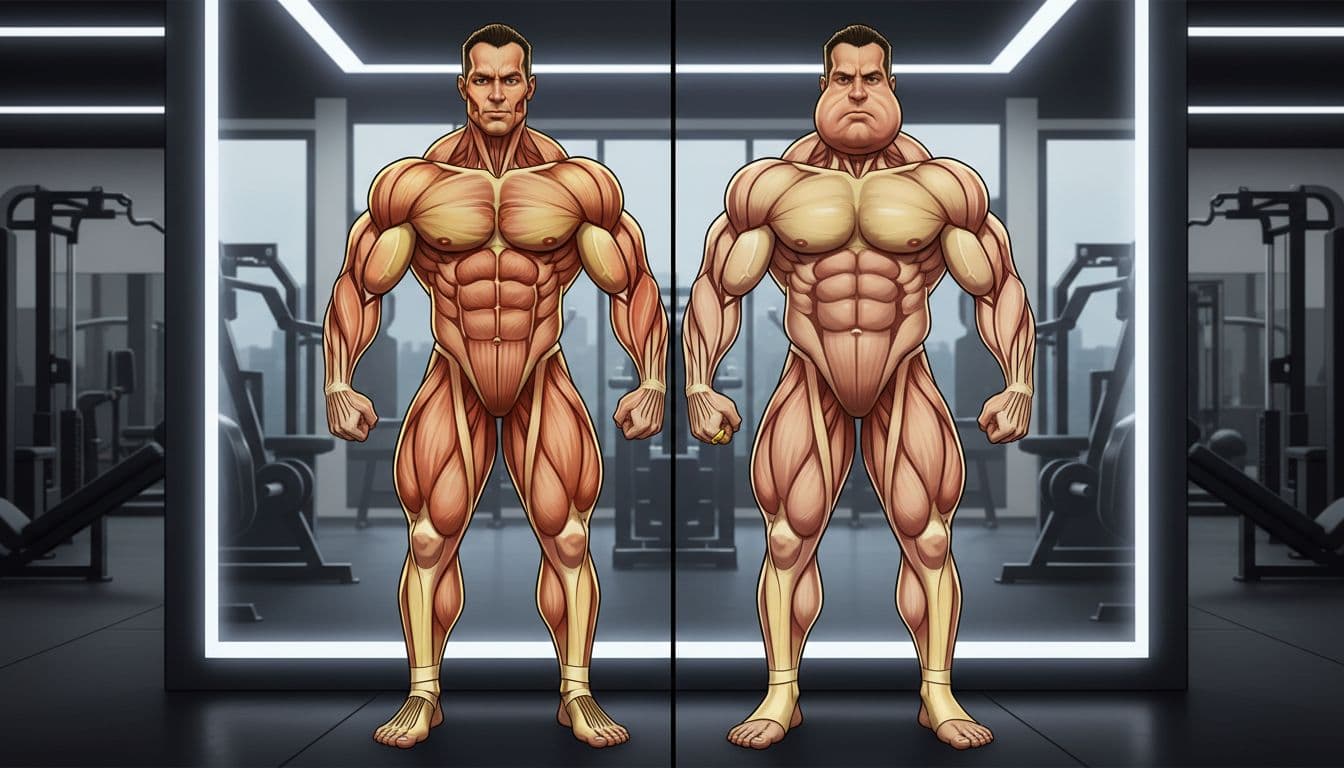
The problem starts when the look turns soft, watery, and obvious. Then I stop pretending it’s just a good pump. My face looks rounder, almost moon-faced. My lower abs blur out. My rings get tight. My socks leave marks. My ankles start looking thick from edema. My waist jumps fast, even though I didn’t gain real tissue that quickly. Inflammation can make this soft look worse by adding systemic swelling all over.
That is the difference I want you to picture:
- A fuller look says, “I stored more fuel.”
- A puffy look says, “I’m holding fluid all over the damn place.”
When water starts spilling outside the muscle and into the face, hands, ankles, and waist as water weight or edema, I think less about “size” and more about estrogen issues, sodium overload, or sloppy execution. General medical guidance on edema symptoms and causes from Mayo Clinic lines up with that simple visual test; swelling in the extremities is a different animal than just looking trained and full.
If I look bigger but still sharp enough to recognize myself, that’s one thing. If I look soft, swollen, and weirdly tight in the face and fingers, I stop calling it progress.
When bloat shows up with rising blood pressure or sudden weight gain, I don’t brush it off. That combo can mean the issue is going past appearance and into cardiovascular strain. Extra fluid means more volume for the system to deal with, and for some guys that comes with headaches, feeling winded on stairs, pressure in the head, or that slow, heavy, sluggish feeling where everything feels off.
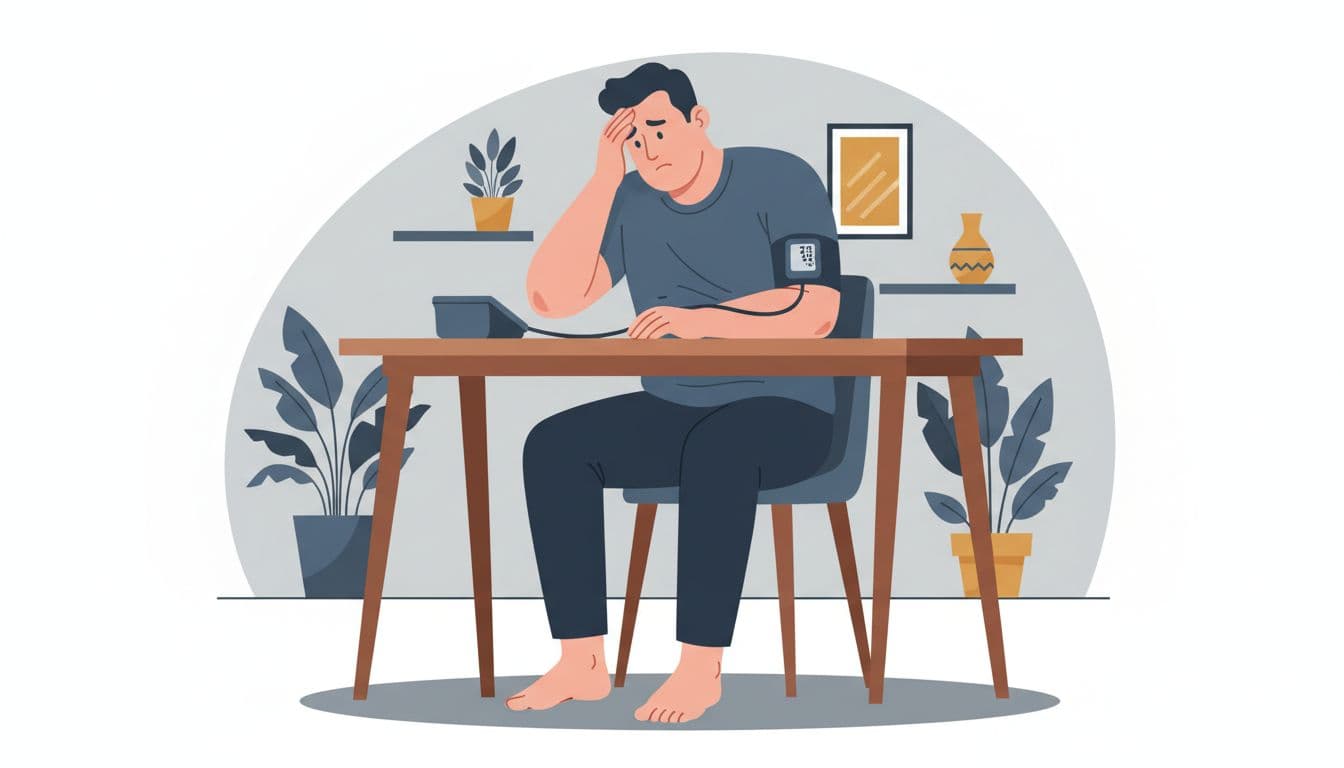
I have seen guys ignore this because they liked being up on the scale. Bad move. If my face is puffed up, my waist is climbing, and I get headaches or shortness of breath, I assume something needs checking, not celebrating. Even broad patient guidance on sudden puffiness and fluid retention points back to the same red flags; visible swelling plus symptoms means pay attention.
So I keep it simple. I check blood pressure at home. I track morning bodyweight. I pay attention to rings, socks, breathing, and how fast the waist changes. I don’t need to act like a doctor to stop being reckless.
A few basic checks go a long way:
- Take home blood pressure readings the same way each time, calm, seated, and not right after training.
- Watch for repeated headaches, facial puffiness, ankle swelling, or getting out of breath too easily.
- Pay attention if your waist rises fast while muscle definition drops.
If that stack of signs is building, I don’t tell myself “it’s just water” like that makes it harmless. Water retention on cycle can be cosmetic, sure, but sometimes it’s the first loud sign that my cycle, diet, or health markers are getting sloppy.
What I actually look at before I decide what the problem is
Most guys screw this up because they react to the look before they read the whole situation. Bad move. If I wake up softer, heavier, and puffier, I do not instantly blame estrogen, start smashing an AI, or pretend I built five pounds of meat in three days. I check the setup, I check the pattern, and I check the health markers. Water retention leaves clues if I stop being emotional for five damn minutes. While male hormonal cycles are different from a biological menstrual cycle, the mechanics of fluid retention are similar to natural hormonal fluctuations like those during ovulation or the luteal phase where progesterone might fluctuate. For guys on gear though, estrogen is the primary driver.
The compound and dose tell me a lot right away
I look at the cycle first because the drugs usually tell on themselves. If I see high-dose testosterone, Dianabol, or Anadrol, I am already less shocked by the water. Those are common water holders. They are not subtle. If the setup is more aromatizing and more aggressive, the puffiness is not some mystery from outer space.
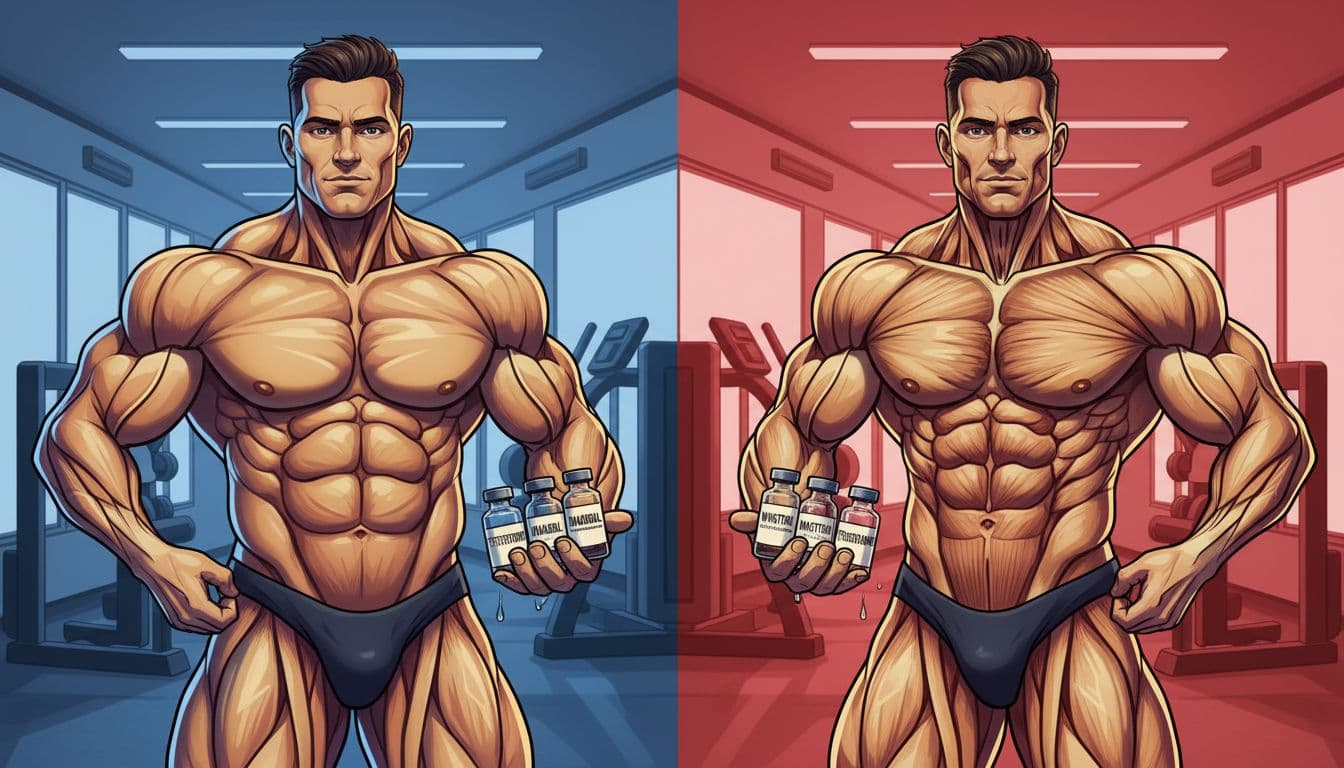
On the other hand, if the cycle is built around drier compounds, I expect less of that soft spillover look. That does not mean zero water, because food and hydration still matter, but the drug profile gives me the first read fast. I also care about dose, because a moderate amount of test is one thing, but a stupid dose with extra wet orals piled on top is a different animal. The more reckless the stack, the less I treat water retention like some weird surprise.
I compare body weight to waist, look, and daily consistency
This part saves people from telling themselves fairy tales. If body weight jumps hard in a few days, I do not call it muscle. I call it what it usually is, glycogen, water, gut content, or some mix of all three. Real tissue does not show up like Amazon Prime.
So I compare a few things together:
- morning body weight, under the same conditions
- waist measurement, taken the same way each time
- mirror look, especially face, lower abs, and lower back
- how consistent the trend is across several days
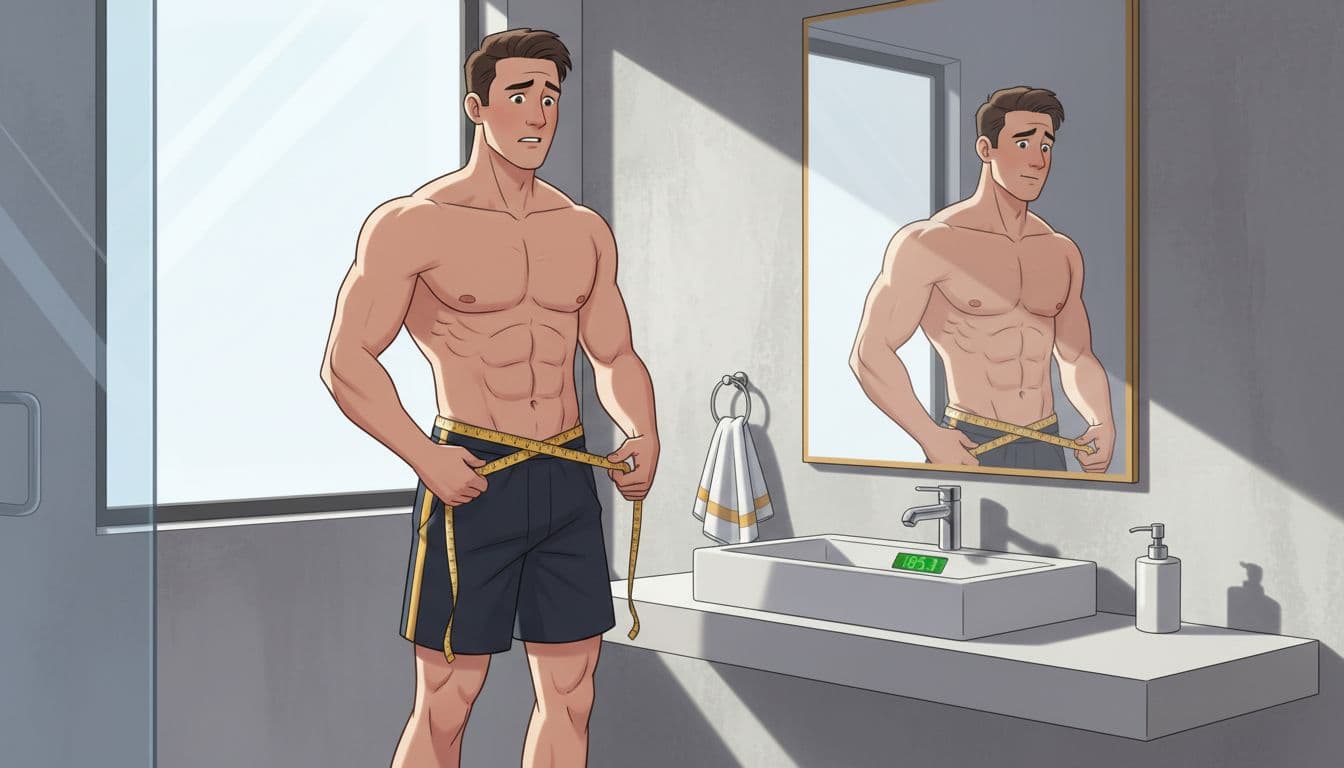
If I am up four pounds in three days, my waist is thicker, and I look smoother, I am not going to jerk off over “growth.” That is usually water. If body weight rises, performance is good, waist is stable, and I still look tight, then I am calmer about it. The pattern matters more than one random weigh-in.
I want morning body weight after the bathroom, before food, and under the same routine. Otherwise, guys compare a dry Tuesday to a salty Saturday and act confused. Come on. A consistent check beats a dramatic guess every time.
I check blood pressure, symptoms, and labs before making dumb changes
This is where I stop the bro-science circus. If water retention is showing up, I want to know whether it is just cosmetic or starting to stack with actual risk. So I check morning blood pressure at home, and I pay attention to symptoms that travel together.
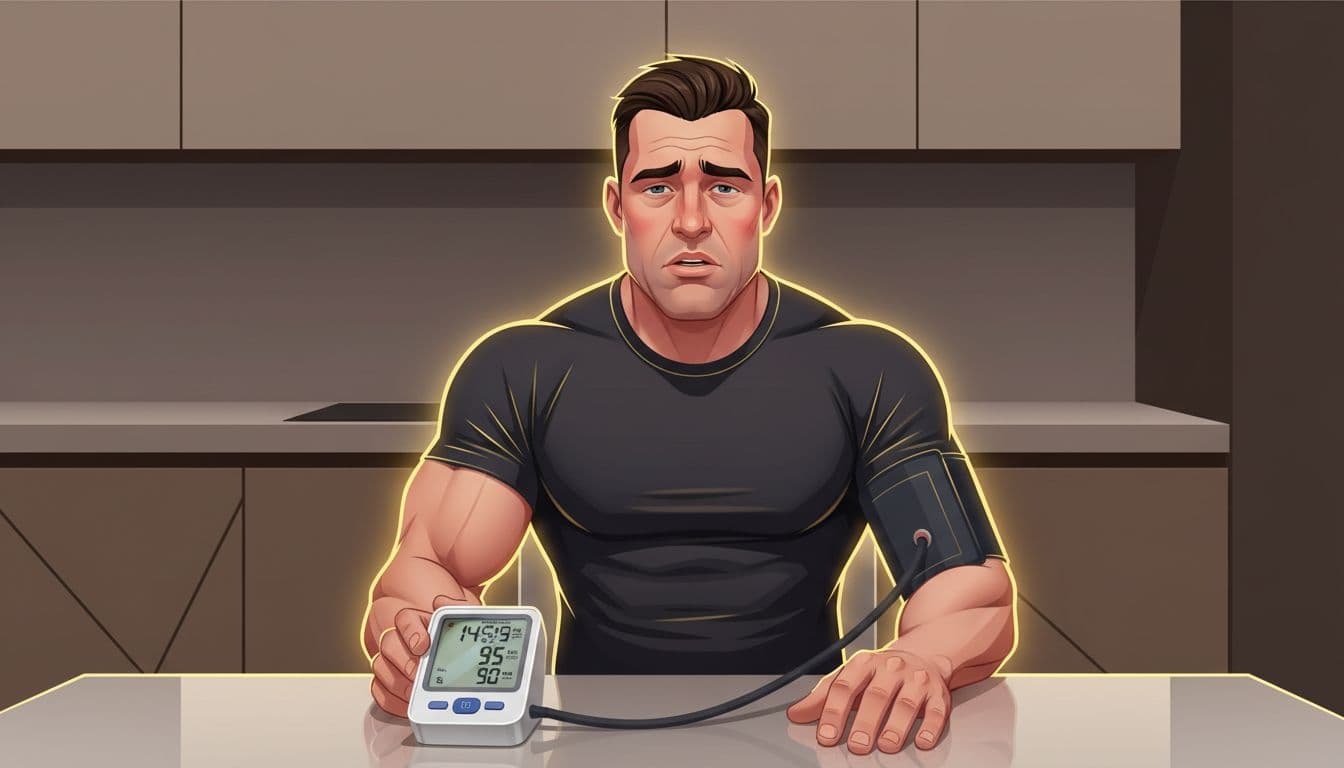
A single clue can fool me. A stack of clues gets my attention fast. I care more when I see things like:
- headaches
- nipple sensitivity
- swollen fingers or sock marks
- shortness of breath
- rising blood pressure with worsening puffiness
Then, if it fits the situation, I want labs. The practical stuff matters most here: estradiol, electrolytes, creatinine, eGFR, and hematocrit. If blood pressure is up and I am holding fluid, I do not play guessing games longer than I need to. General guidance on edema symptoms from Mayo Clinic lines up with that, and even basic TRT guidance on estrogen-related water retention points back to the same pattern, symptoms plus context beat random panic.
That is the whole point. I do not make dumb changes off one bad mirror check. I read the compounds, I read the trend, and I read the body before I decide what the problem actually is.
What I do instead of panicking and trying to dry out overnight
I don’t do stupid last-minute shit when I wake up looking watery. I don’t slash water, hammer random diuretics, or act like one soft morning means the cycle is ruined. Most of the time, the fix starts with boring basics like dietary changes and physical activity, and boring basics work way better than panic. If I look puffier than I should, I tighten execution first, then I watch the trend like an adult.
Fix the simple stuff first, because that is where most guys screw it up
Most guys don’t have a mystery problem. They have a consistency problem. They eat like an asshole for two days, skip water, hit a giant cheat meal, then stare at the mirror like the drugs betrayed them. No, you betrayed the plan.
So this is where I start:
- I cut the junk food binges. One night of takeout, chips, sauces, and dessert can make me look like a wet sponge the next morning.
- I drop the giant cheat meals. A huge high-carb, high-sodium meal can spike scale weight fast, and it sure as hell is not new muscle.
- I keep water high and steady. Drinking less because I look watery is backwards. Even general guidance on water retention basics from Mayo Clinic points to hydration and sodium consistency as part of the fix.
- I hold sodium intake steady, not stupid-low, just consistent. Wild swings are where people screw themselves. I balance it with potassium-rich foods and consider magnesium supplements as natural ways to manage fluid balance and reduce swelling instead of jumping to pharmaceutical diuretics.
- I add physical activity or a bit of cardio. Nothing heroic. Just move. A daily walk does more than most panic moves.
- I stop lying to myself about scale jumps. A few watery pounds after salty food and more carbs is not tissue gain. It is water, glycogen, gut content, and bullshit.
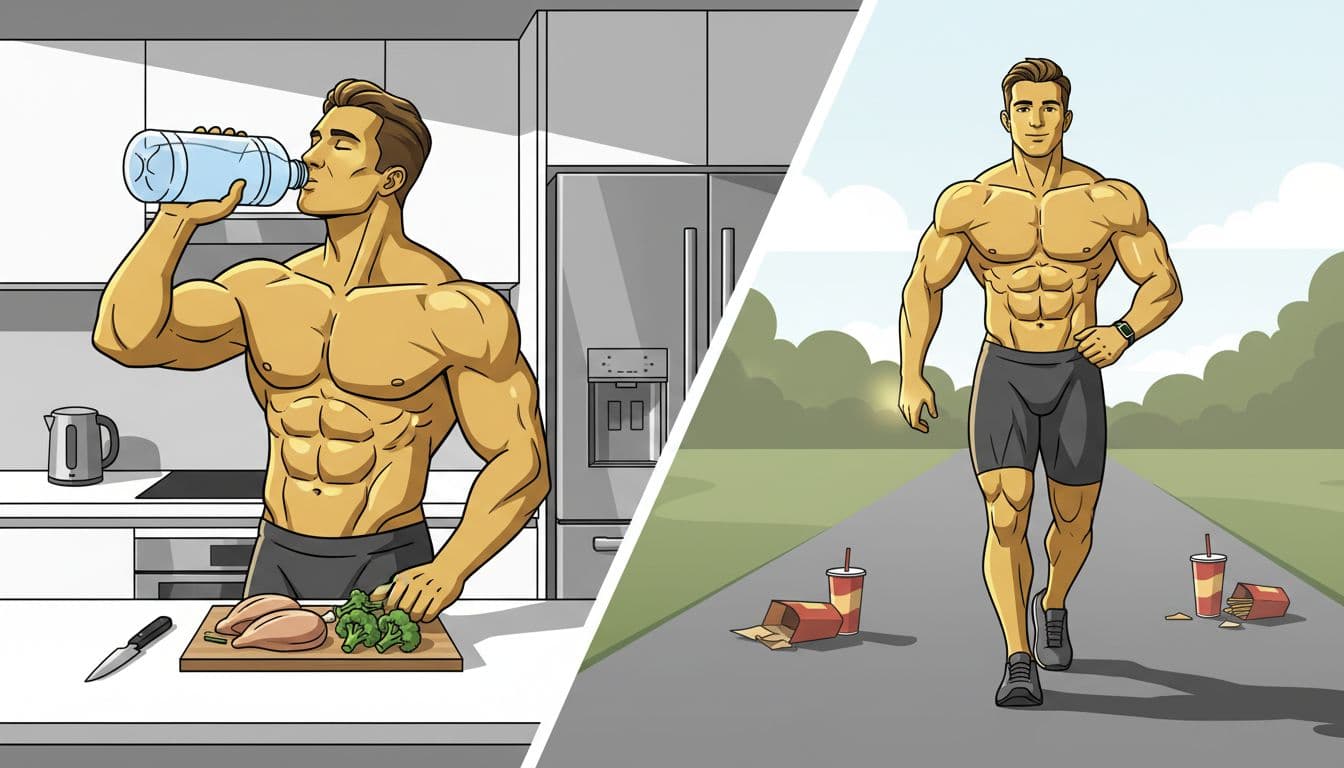
If I clean that up for a few days, I usually get a much clearer read. Then I can tell whether I had a food problem, a hydration problem, or something deeper. If you want more no-BS coaching on that kind of cleanup, read more articles.
Before I blame estrogen, I make sure I am not just full of sodium, carbs, and bad decisions.
Know when to stop guessing and get medical oversight
This part matters more than your abs. If water retention keeps hanging around and the signs get uglier, I stop playing internet coach and I get real medical help. Forum advice is dog shit when symptoms start stacking.
I take it seriously if I have:
- high blood pressure that stays elevated
- swelling in the legs, ankles, hands, or face that does not calm down
- chest symptoms, pressure, pain, or weird tightness
- shortness of breath, especially if it feels worse than normal
- abnormal labs, especially kidney markers, electrolytes, or anything else off-pattern
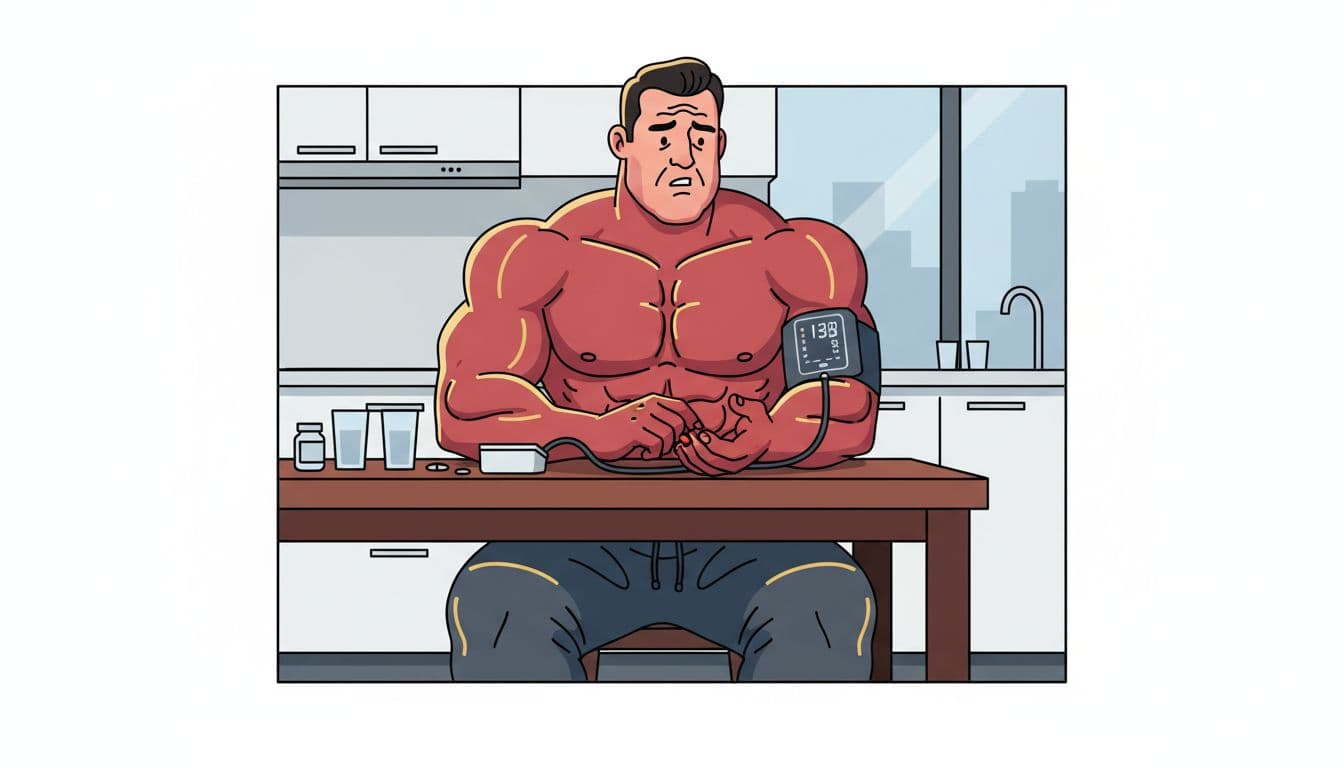
Swelling in the legs and rising blood pressure are not “bro science” topics. They are doctor topics. Basic medical guidance on edema symptoms from Mayo Clinic and shortness of breath and urgent warning signs from MedlinePlus says the same thing I tell people, persistent swelling plus breathing or chest issues needs proper evaluation.
So if the puffiness is paired with pressure, breathing issues, or ugly readings, I don’t try to win a guessing contest. I get checked. If you want my eyes on the big picture, training, food, check-ins, and avoiding dumb mistakes before they snowball, you can see client results and then contact me.
Frequently Asked Questions
Is every bit of water retention on cycle a sign of high estrogen?
No, it’s a clue but not proof—high estrogen from wet compounds like test or Dbol is common and causes puffiness via sodium retention, but diet fuckups like high carbs, sodium bombs from takeout, or skimping on water amplify it big time. Isolate drug vs. food effects by tightening execution first; if nipple itch, mood swings, and BP climb join in, then estrogen jumps higher on the list.
How do I know if my water retention is ‘bad’ bloat vs. useful fullness?
Useful fullness stays in muscles—rounder shoulders, lasting pumps, tight skin, stable waist—while bad bloat spills everywhere: moon face, thick ankles, tight rings/socks, rapid waist jump, soft lower abs. Track morning weight/waist under same conditions and mirror trends; if you look swollen and off instead of trained and full, it’s a warning, not progress.
What simple fixes work best for water retention without panicking?
Start with basics most guys ignore: cut junk/sodium spikes and giant cheats, keep water high (don’t drop it), steady sodium with potassium foods, add daily walks or light cardio. This clears food-driven bloat fast without drugs; monitor 3-4 days for trends before considering AIs—sloppy execution causes more issues than the cycle itself.
When does water retention mean I need a doctor, not just diet tweaks?
If puffiness sticks around with elevated BP, leg/ankle/hand swelling, shortness of breath, headaches, or chest pressure, get checked—it’s past cosmetic and into potential kidney, heart, or systemic strain. Home BP reads and symptom stacks are your first alert; labs like estradiol, electrolytes, and eGFR confirm, but don’t bro-science through red flags.
Final Thoughts on Managing Water Retention on Cycle
I treat water retention on cycle like feedback, not a setback. While men do not deal with premenstrual syndrome, menopause, or the side effects of oral contraceptives, the management of blood circulation and the lymphatic system follows the same principles women use for their menstrual cycle. Tracking metrics like basal temperature or understanding the role of prostaglandins proves useful, just as one tracks the menstrual cycle and premenstrual symptoms from the first day of flow through the luteal phase, when progesterone shifts and premenstrual symptoms such as breast tenderness signal premenstrual syndrome.
When I start looking soft, puffy, and heavier out of nowhere, I do not celebrate the scale; I examine the cycle, the food, the dose, and my health markers, because they reveal the real story fast.
Most of the time, the mistake is the same: guys chase bodyweight and ignore the pattern. I do not do that. I watch what changed, clean up the obvious problems, and fix the real cause instead of trying to dry out overnight like an idiot.
If you want help reading those patterns right and not guessing your way through every sloppy check-in, work with me. My takeaway is simple: stop chasing scale weight, watch the trend, and fix what is actually causing the water.
Feel good, eat good, fuck good.
Disclaimer
This article is for education only. It is not medical advice, diagnosis, or treatment. If you have a medical condition, take medication, use PEDs, or have abnormal labs, get qualified medical oversight before applying any of this.
Author
Angelo is a European online coach and a former competitive bodybuilder. He works with serious lifters who want more muscle, better condition, sharper execution, and less guesswork. The job is simple: fix the basics, apply progression properly, manage recovery, and stop doing dumb shit that kills progress.