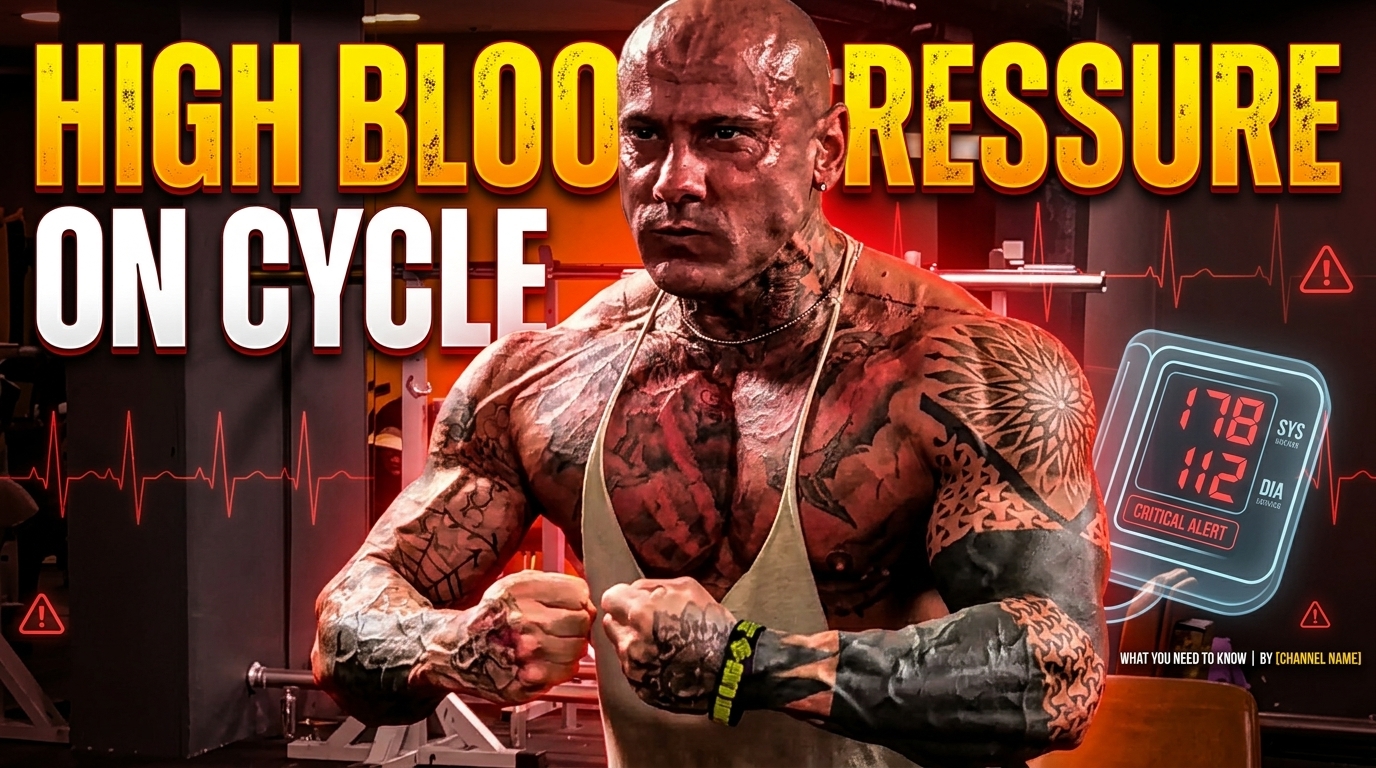
If you’re big, lean, and strong, and you’re ignoring high blood pressure because you “feel fine,” you’re being stupid. I don’t care how good the pump is. If the numbers keep showing up high, your body is telling you something.
One bad reading means little. Repeated bad readings mean something’s off. I keep this simple, under 130/80 is the target for most lifters, and if you’re hanging around 160/100, stop screwing around and get medical help fast.
The Problem
Most lifters measure blood pressure like idiots, then make idiot decisions. Wrist cuffs, phone apps, a reading right after squats, after pre-workout, after no sleep, after nicotine, after stress, then panic. That’s not data. That’s noise.
What a useful blood pressure reading actually looks like
I want a validated upper-arm cuff. I want you seated, feet flat, back supported, arm at heart level. No caffeine, nicotine, or training for at least an hour. Rest five minutes, then take three readings, two minutes apart, and average them.
Repeated numbers over 130/80 deserve attention. Repeated 140/90 is a stronger problem. Repeated readings near 160/100 mean I stop coaching the issue and tell you to get a doctor involved.
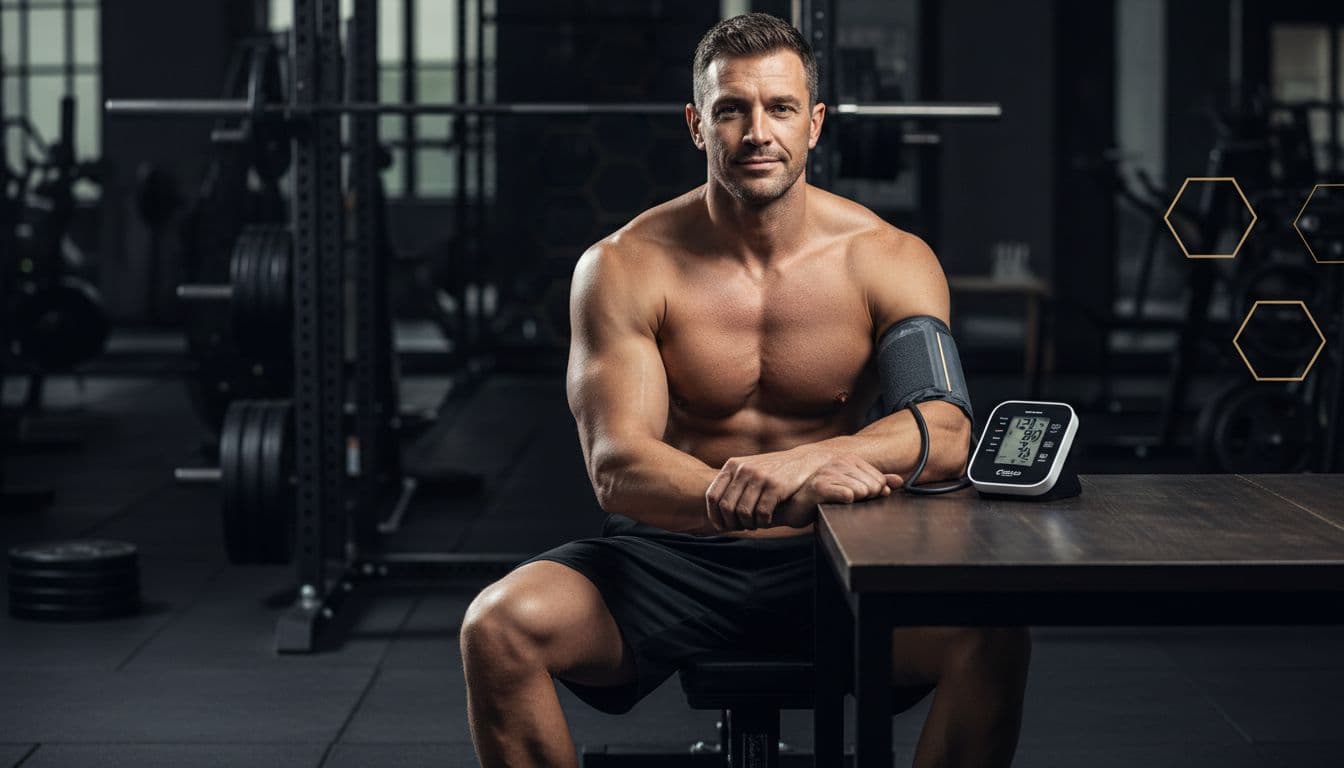
Why one scary gym reading does not tell me much
Heavy lifting can spike pressure during a set, especially when you hold your breath on squats or deads. That’s not the same as high resting blood pressure. Poor sleep, stress, dehydration, and stim abuse can all jack up one reading too. I care about the pattern, not one dramatic number after chaos.
The Reframe
I don’t look at blood pressure like one evil thing did it. That’s lazy. Your body responds to total load, total stress, total burden. More water retention, more sodium, more stimulants, less cardio, worse sleep, harder training, faster weight gain, thicker blood, higher body mass, it all stacks.
So when the pressure climbs, I don’t chase magic fixes. I zoom out and look at the whole setup. That’s the only way this makes sense. If you run gear, this matters even more, and my breakdown of high blood pressure on cycle goes deeper on that side of it.
Also, don’t kid yourself because you look athletic. Abs don’t protect your kidneys. A big bench doesn’t protect your heart. You can look healthy and still be running numbers that are quietly beating the shit out of you.
What I Actually Look At
I don’t change ten things at once. That’s forum-bro behavior. I look for the pattern, then I ask what changed before the rise. Did you bump the dose? Add a compound? Start sleeping less? Gain weight fast? Double your caffeine? Usually the clue is right there if you stop bullshitting yourself.
Water, sodium, and potassium tell me a lot fast
This is one of the fastest wins. On cycle, especially when estrogen and fluid retention climb, sodium and water handling can get messy. Potassium intake usually gets sloppy too. Then guys eat deli meat, restaurant food, sauces, junk snacks, and act shocked when pressure goes up.
So I tighten food quality. I pull down the salty processed crap. I push potassium-rich foods like bananas, sweet potatoes, leafy greens, and white beans. Basic food. Boring food. Stuff that works.
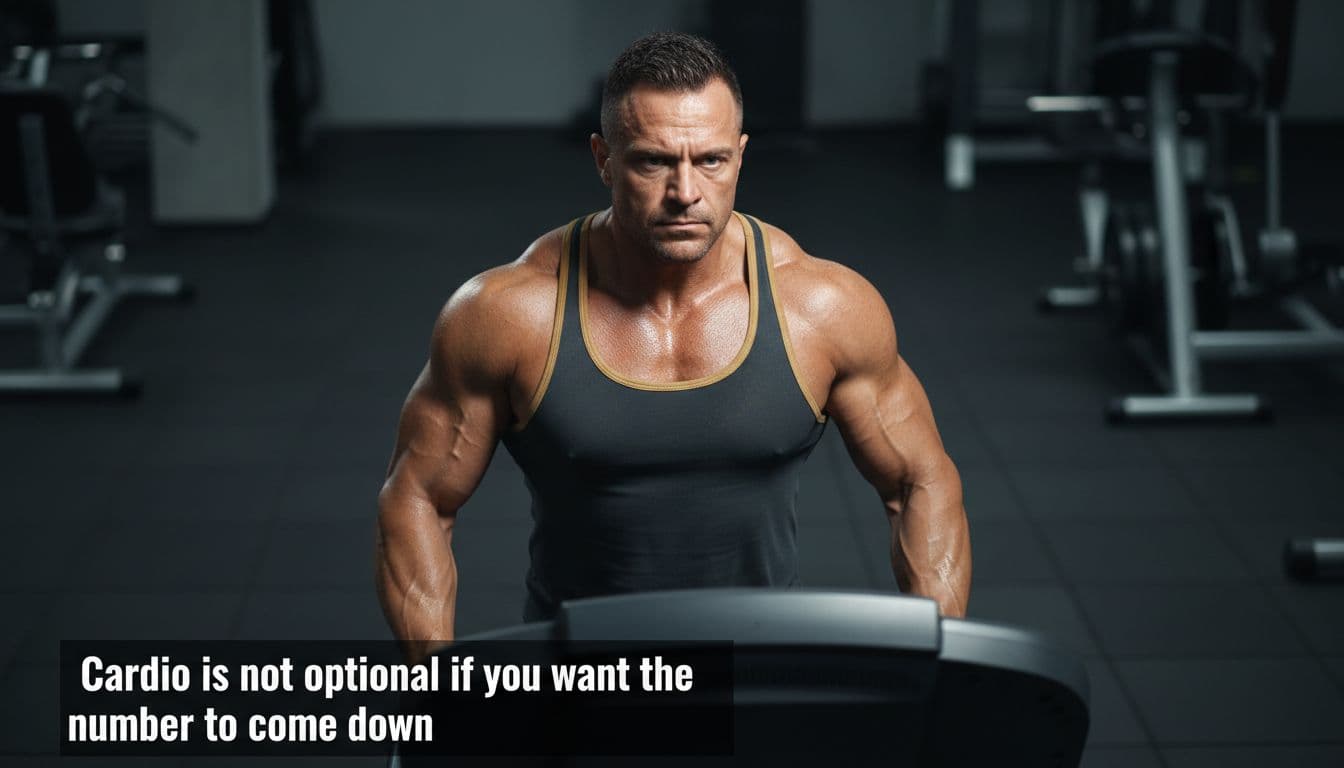
Cardio is not optional if you want the number to come down
If cardio is missing, I add it. Simple. I want 20 to 30 minutes of low-intensity steady-state work, three to four times per week. Incline walking, easy cycling, steady rowing. Not HIIT. Not some hero session that wrecks recovery.
That steady work helps vascular function and brings resting pressure down over time. It doesn’t fix shit in three days, but it works if you do it. Exercise as medicine for high blood pressure lines up with what I see in real life, regular training helps, but only when the full setup isn’t a mess.
I check what changed in the cycle, the supplements, and the bodyweight
Timeline matters. If pressure jumped right after you raised testosterone, added boldenone, started smashing more pre-workout, or put on 12 pounds in a month, I don’t need a crystal ball. That’s useful information. A lower dose with a body that functions well beats a bigger stack that quietly cooks your heart. Every time.
If you like this kind of diagnosis-first thinking, read more articles.
Hematocrit, thick blood, and why I do not ignore it
This is where a lot of enhanced guys get caught. More red blood cells can mean thicker blood, and thicker blood can push pressure up. Boldenone can do it hard. High-dose testosterone can do it too. If hematocrit is over 52 percent, I treat that like a real issue, not a cool badge.
If you only chase the cuff reading and ignore thick blood, you’re treating smoke while the fire keeps burning.
I usually push hydration up, often around 4 to 5 liters per day. Anything like low-dose aspirin or therapeutic blood donation belongs under medical oversight, not bro advice.
When support tools can help, and when they are just a band-aid
Sometimes tadalafil at 5 milligrams per day helps some guys through vasodilation. Fine. But let’s be clear, it’s support, not a hall pass. No support tool can outwork a system that’s overloaded and run like shit.
What To Do Instead
Clean up the measurement first. Then reduce the total burden. Tighten food quality, cut stim abuse, hydrate properly, add steady cardio, and look hard at what changed before the rise. If the likely trigger is obvious, pull it back. If you want a more structured way to think through training, food, and recovery, read the protocol.
The simple order I would follow this week
- Verify home readings the right way for several days.
- Drop caffeine and nicotine before checks.
- Stop chasing salty junk food and processed meals.
- Push potassium-rich whole foods and proper hydration.
- Add LISS cardio three to four times per week.
- Review dose changes, compounds, sleep, and bodyweight jumps.
- If readings stay over 140/90, get medical follow-up. Near 160/100, go now.
Blood pressure isn’t random bad luck. It’s feedback. If you want help sorting the cycle, the bloodwork, the food, and the stuff you’re probably missing, work with me.
Feel good, eat good, fuck good.
Disclaimer
This article is for education only. It is not medical advice, diagnosis, or treatment. If you have a medical condition, take medication, use PEDs, or have abnormal labs, get qualified medical oversight before applying any of this.
Author
Angelo is a European online coach and a former competitive bodybuilder. He works with serious lifters who want more muscle, better condition, sharper execution, and less guesswork. The job is simple: fix the basics, apply progression properly, manage recovery, and stop doing dumb shit that kills progress.
Scientific References